
The mapping of power: Russia’s “Game of Thrones”
The consequences of the war against Ukraine are causing frustration and tension even among Russia’s elite. The power structures created by Vladimir Putin, which consist of various clans, are beginning to falter. To assess how Russia might evolve, it helps to understand the most important of these clans and the tools they use to wield power.
Every month, the Russian army loses more than 35,000 soldiers while achieving almost no significant advances on the battlefield. At the same time, Ukraine’s drone strikes deep inside Russian territory are becoming increasingly effective and damaging. The Economist recently described the situation as a possible turning point in the war. Sir Lawrence Freedman, one of Britain’s best-known military experts, told the magazine that the current moment increasingly resembles a strategic turning point in the war.
Russia’s economy is slowing down sharply. Regional budget deficits are growing, businesses are struggling under extremely high interest rates, and inflation continues to push prices upward. Disruptions of mobile communications and internet shutdowns across many Russian regions have added to public frustration, creating growing social discontent that the Kremlin can no longer easily dismiss.
Inside the Russian elite, tensions are also rising. According to an intelligence report recently published by IStories, Financial Times, and CNN, senior Russian security officials are increasingly blaming one another for failures in Ukraine.
Ahead of the Victory Day parade on Red Square, Vladimir Putin asked Donald Trump to persuade Volodymyr Zelenskyy not to strike Moscow during the celebrations. A leader who wants everyone to believe he is winning the war does not ask his enemies for a temporary pause so he can safely watch a parade of a heavily depleted army.
Vladimir Putin has fallen into a trap of his own making — a system built not on democratic institutions, but on informal rules and competing clans organized around money, security structures, political influence, and personal loyalty to the Czar. For decades, Putin acted as the ultimate arbiter between these groups, balancing their interests. But as the pressure of war grows and Putin’s authority weakens, the balance inside the elite is beginning to break down.
Different factions are now quietly preparing for an uncertain future — strengthening their control over financial resources, security agencies, and even private military forces. To understand where Russia may be heading in the coming years, it is necessary to understand the key clans that dominate the Russian system today — and the struggle that may begin once the current balance of power finally starts to collapse.
To understand the trajectory of the Russian state in the coming years, it is essential to map the primary actors who will likely participate in the inevitable Russian Game of Thrones.
IStories and CORRECTIV have built profiles of the most influential Russian clans, their leaders, and the assets they control. The project focuses mainly on groups that possess not only formal political authority but also real physical power through control over security services, armed structures, or other coercive institutions.
For that reason, the profile does not include figures often described by the media as “technocrats” — such as Russian Prime Minister Mikhail Mishustin, Central Bank chief Elvira Nabiullina, Finance Minister Anton Siluanov, and others. Although they occupy senior government positions, they do not appear to possess the kind of direct coercive power that could play a decisive role in a future struggle for power in Russia.
This profile covers some of the best-known and most powerful Russian clans and groups, but it is not a complete list of all potential actors in Russia’s potential “Game of Thrones”.
The clans in the high-stakes arena
The Bodyguards
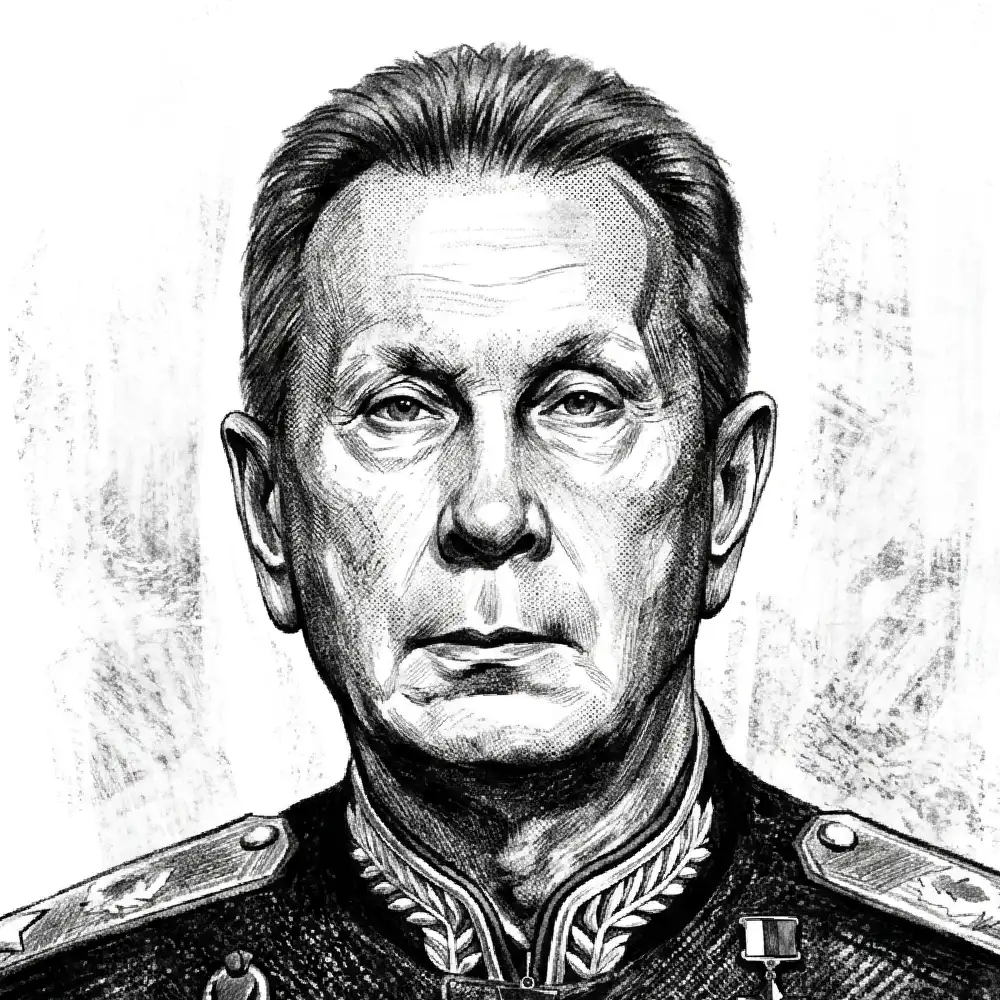
Viktor Zolotov
Rosgvardia (National Guard)
Viktor Zolotov (72 years old) met Vladimir Putin in the early 90s by a stroke of luck. According to the former head of the Security Service of Russia’s first president, Alexander Korzhakov, he hired Zolotov out of desperation — there were no people.
Therefore, when the then-mayor of St. Petersburg asked Yeltsin to provide him with protection against St. Petersburg gangsters in the early 90s, Korzhakov decided to get rid of Zolotov and sent him to guard Sobchak.
In St. Petersburg, Zolotov met Putin and soon became responsible for his protection and that of his family members. When Putin became president, he appointed Zolotov as head of the Presidential Security Service.
For many years, Zolotov remained in the shadow of his boss. However, after mass protests against election fraud broke out in Russia in 2011, which Putin perceived as a conspiracy by Western intelligence agencies with part of the Russian — primarily liberal — elite, he decided to promote his bodyguards to leadership positions in law enforcement and other government agencies.
Putin appointed Zolotov as head of the Interior Ministry’s Internal Troops, which in 2016 were renamed Rosgvardia and removed from the MVD into an independent paramilitary structure with 350,000 personnel.
In this post, Zolotov is essentially tasked with the same mission he has performed for the last 35 years — guarding Putin and his power. For these purposes, in 2023, following the failed mutiny of Yevgeny Prigozhin, Putin issued a decree transferring heavy equipment to Rosgvardia. Now, in the event of internal unrest, Putin’s bodyguard will be able to use heavy tanks against the Russian people.
There is no doubt Zolotov will decide to do so: as one of the leaders of the Russian criminal world told me, in St. Petersburg criminal circles, Zolotov had the nickname „The Pierced“ (Probitiy)—for his cruelty and unquestioning loyalty to the Tsar.
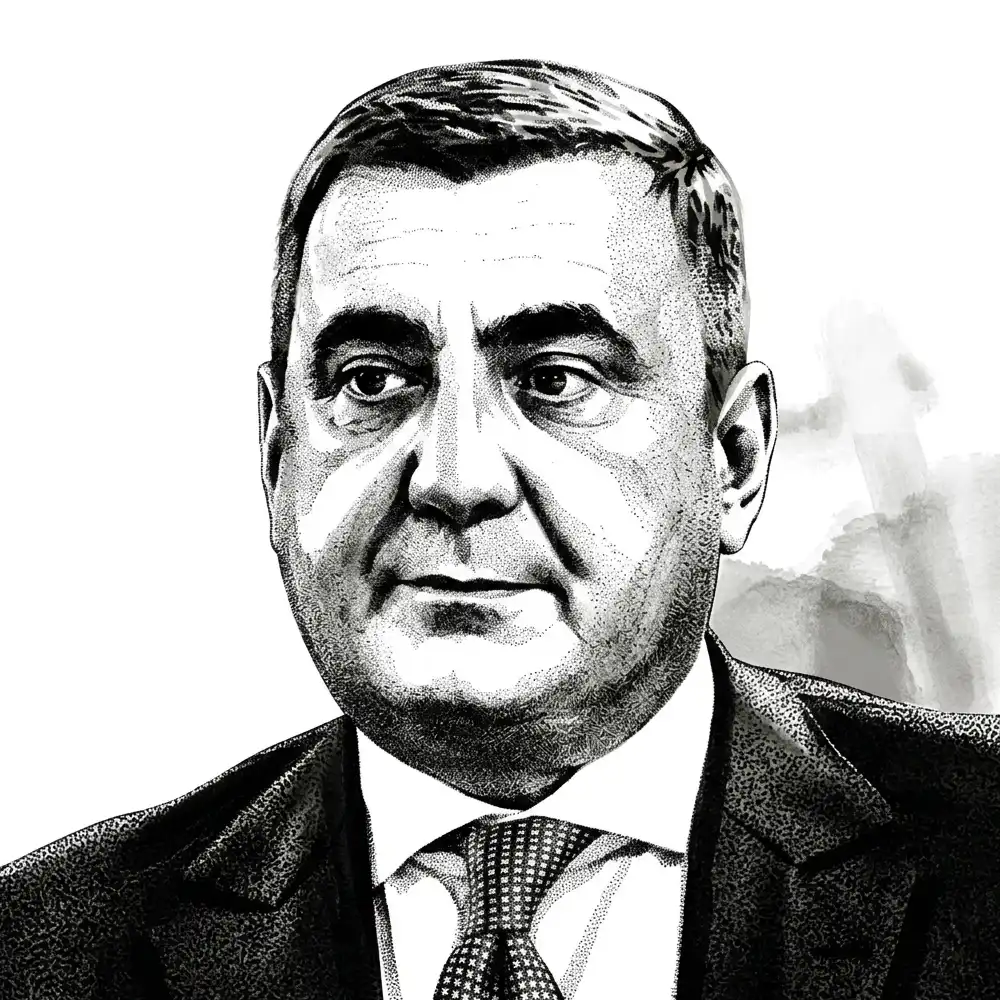
Alexey Dyumin
State Council
Alexey Dyumin (53 years old) comes from a military family. In 1995, he joined the Main Guard Directorate (predecessor of the FSO), where he dealt with communications; in 1999, he joined the Presidential Security Service. Since then, for 15 years, Dyumin served in Putin’s security detail, never leaving his side day or night, preventing him from drowning in the ocean, and guarding him from bears in the taiga.
Initially, Dyumin owed his promotion to Viktor Zolotov: „Viktor Vasilyevich Zolotov is a person who did a lot for my destiny, taught me sense and wisdom… and I understood immediately that he is a very strong, spirited commander behind whom one can go to the end. And then there was an introduction to Vladimir Vladimirovich… and off we went!“ Dyumin recalled.
However, Dyumin subsequently became one of Putin’s main favorites and one of the most likely successors to the presidency.
In 2014, as part of the campaign to promote bodyguards to the highest echelons of power, Putin appointed Dyumin as deputy head of the GRU and commander of the Special Operations Forces (SSO), which played a key role in the occupation of Crimea.
According to a source acquainted with Dyumin, he received the Hero of Russia star for this operation. In 2016, Putin appointed Dyumin as governor of the Tula region, which he led for the next eight years.
As soon as the Russian president’s favorite became governor, everyone began to help him: from the Ministry of Defense, which began building bridges in the Tula region, to the Moscow government, which renovated the embankment in Tula.
State companies and private businesses joined in. In 2024, Putin returned his favorite to Moscow and appointed him as his assistant overseeing the defense-industrial complex, as well as the Secretary of the State Council. This once insignificant advisory body received constitutional status in 2020 during major amendments.
According to many experts, Putin gave the body constitutional status to be able to lead it in the future and hand over power to a successor while retaining the ability to control their decisions.
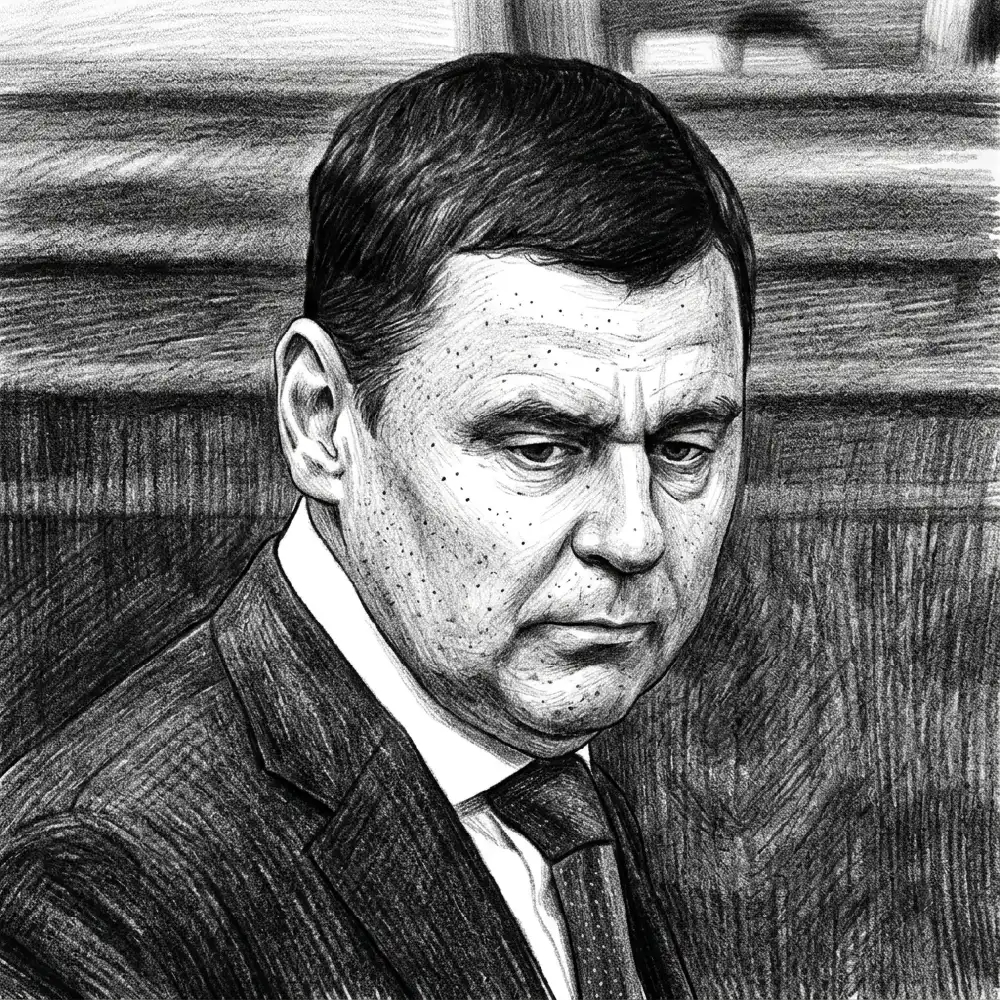
Dmitry Mironov
Presidential Administration / Personnel Policy Commission
Dmitry Mironov (56 years old) is a descendant of military officers whose career became a classic example of a „personal bodyguard“ ascending to the heights of state power.
Since the early 90s, Mironov served in state security (FSO), where he for many years held the position of Vladimir Putin’s adjutant. The degree of closeness to the president is evidenced by the fact that in narrow circles, Putin reportedly affectionately calls him „sonny“.
Mironov’s public career began in 2014 when Putin appointed him head of the GUEBiPK of the Ministry of Internal Affairs. Already in 2016, similar to Alexey Dyumin, Mironov was sent for „testing“ in a region — he headed the complex and protest-prone Yaroslavl region. As governor, he enjoyed exclusive access to the president.
In 2021, Putin returned Mironov to Moscow, appointing him as his assistant. Today, he holds one of the most non-public but strategically important positions — chairman of the commission on personnel policy in law enforcement agencies. Through Mironov’s hands pass the dossiers of all the country’s key siloviki, making the former adjutant the „chief HR officer“ of the regime.
Like other members of the „bodyguards“ clan, Mironov also oversees mobilization resources, heading the Council for Cossack Affairs and supporting Cossack units in the war with Ukraine.
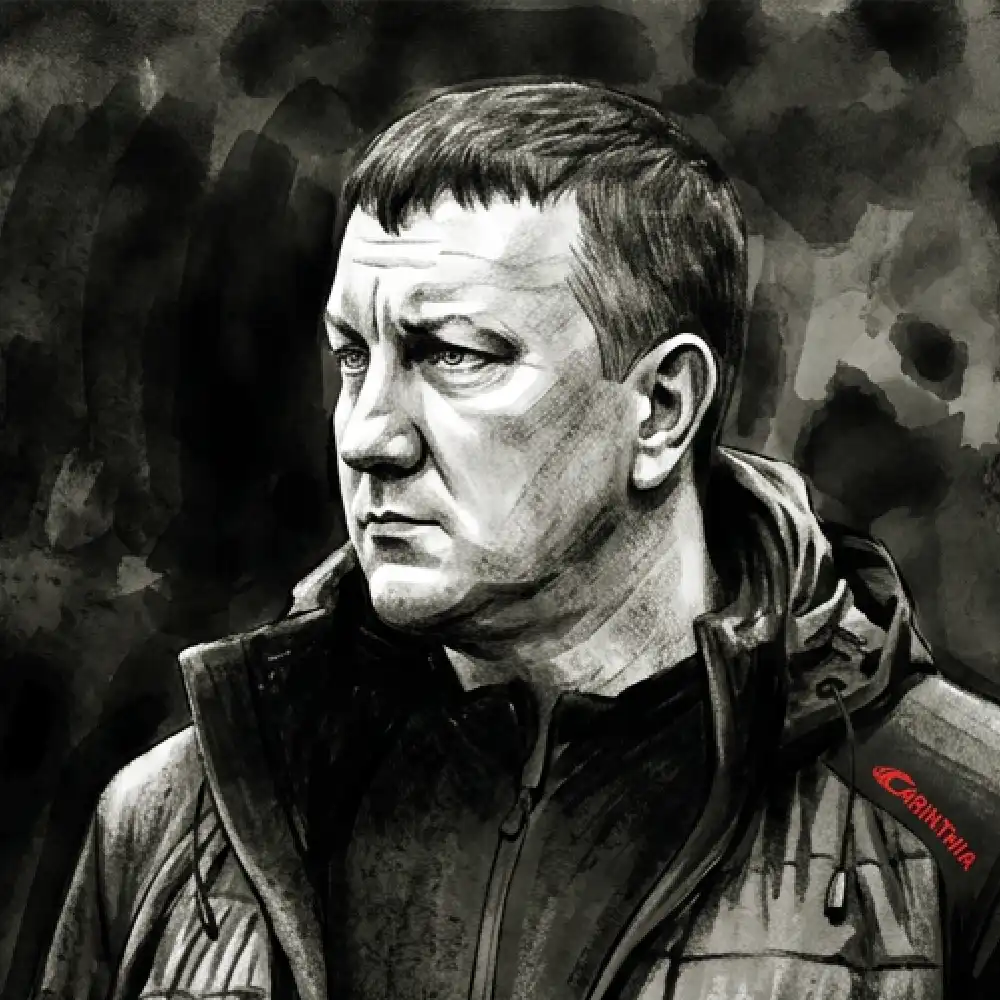
Alexey Rubezhnoy
Presidential Security Service (SBP)
Alexey Rubezhnoy is a career officer of the „Alpha“ special unit who replaced Dmitry Kochnev as head of the Presidential Security Service (SBP) in June 2016.
Rubezhnoy focused on creating powerful economic influence, using the SBP as a tool for lobbying and control over strategic assets. Rubezhnoy heads the Supreme Supervisory Board of the Russian Boxing Federation, led by Umar Kremlev (Lutfulloev) — a businessman with a criminal past.
Rubezhnoy and Kremlev are relatives; they are married to sisters. Through Rubezhnoy’s patronage, Kremlev gained access to personal communication with the president. Their partnership allowed them to take control of multi-billion dollar markets: from monopolizing the betting business to managing the country’s largest lottery operator.
After the full-scale invasion in 2022, Rubezhnoy became one of the main beneficiaries of the process of deprivatization and „nationalization“ of private property.
It was Rubezhnoy who lobbied Putin for the decree transferring the assets of Russia’s largest car dealer, „Rolf“, to the temporary management of Rosimushchestvo; the new owner effectively became Rubezhnoy’s protégé, Kremlev.
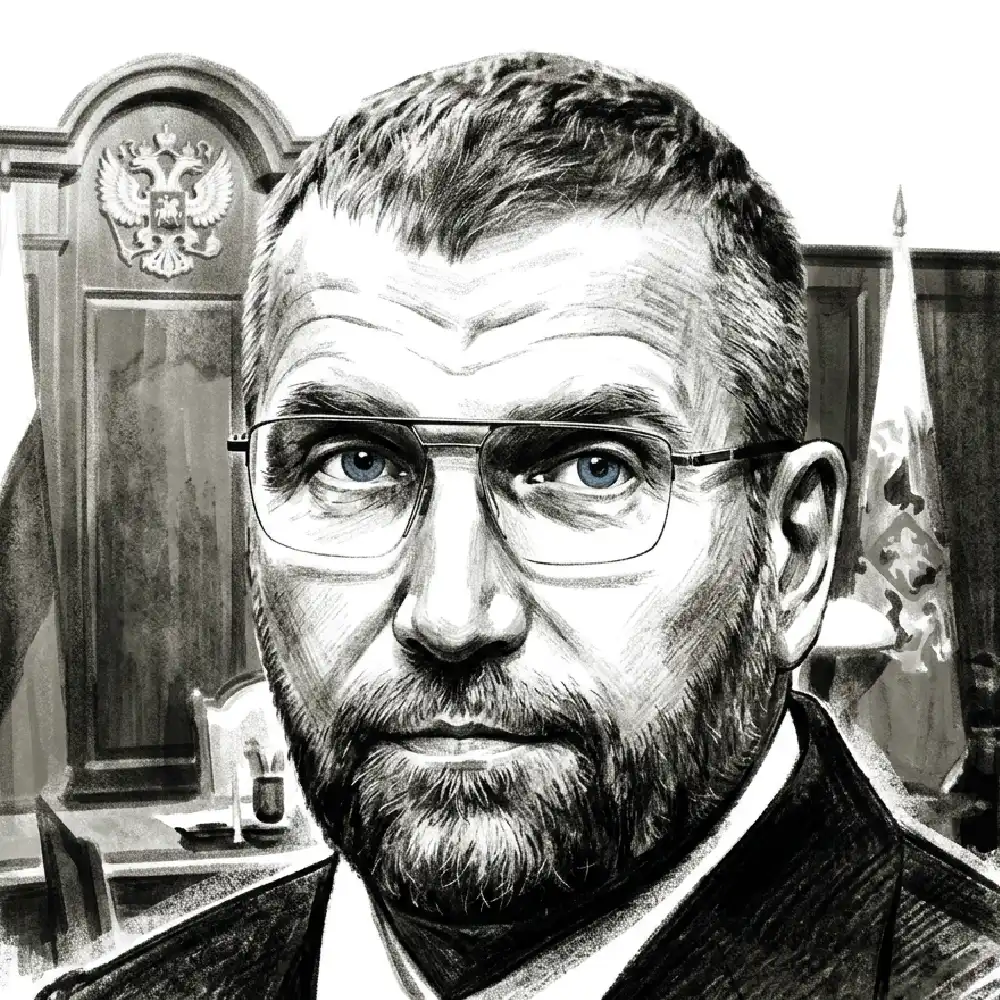
Valery Pikalev
Federal Customs Service
Valery Pikalev (57 years old) served in the SBP, where for about four years he headed Department „V“, which was directly responsible for the security of Vladimir Putin’s „Uzhin“ residence on Valdai.
In 2018, Pikalev began a „civilian“ career in the Northwest region. He served as vice-governor — head of the administration for St. Petersburg Governor Alexander Beglov, acting as a „watcher“ from the Kremlin over the local bureaucracy. He also actively dealt with the reconstruction projects of Mariupol.
In May 2024, Putin appointed Pikalev as the head of the Federal Customs Service (FTS). By placing his former bodyguard at the head of customs, the president ensured direct control over one of the main sources of budget revenue (over 3.3 trillion rubles for the first half of 2024) and a critical node of „parallel import“ under sanctions.
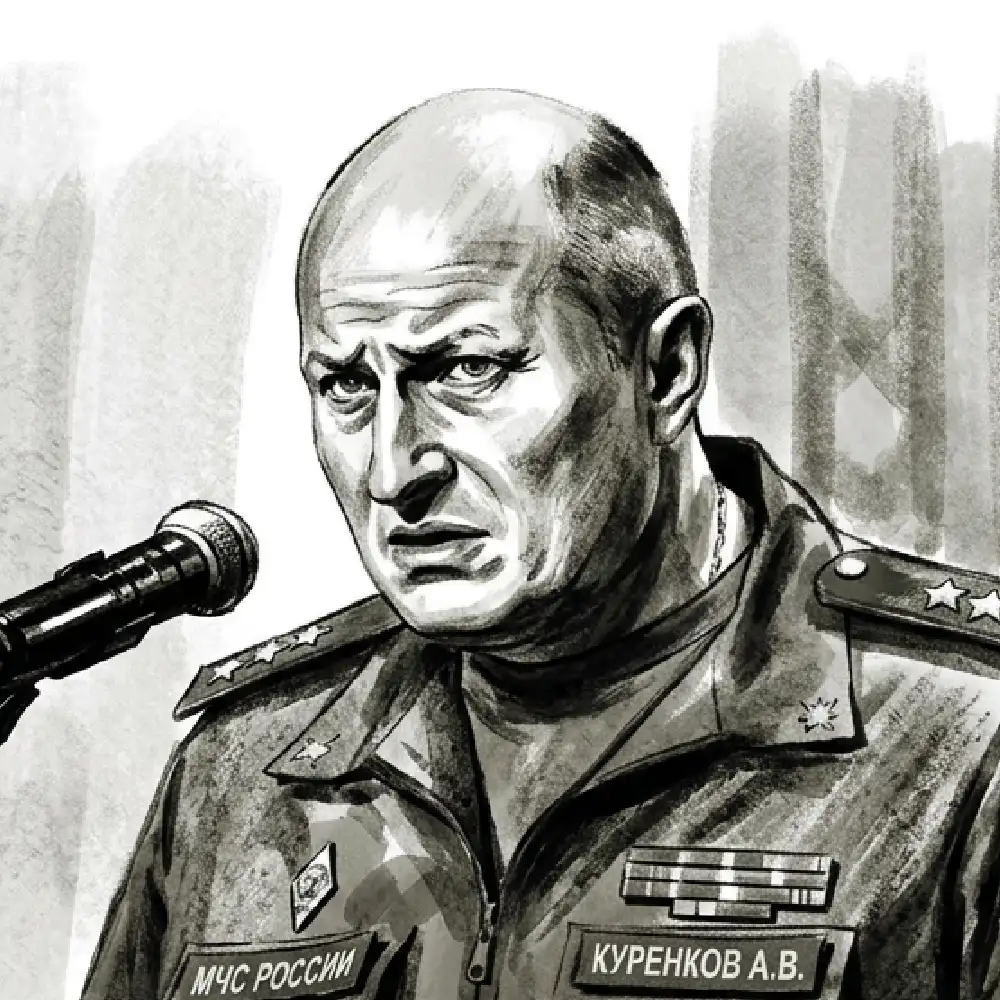
Alexander Kurenkov
Ministry of Emergency Situations (MCHS)
Alexander Kurenkov (53 years old) is a career intelligence officer whose biography exactly repeats the path of „adjutants“ who became state ministers.
From 2002, he began service in the FSO, and from 2015, he became Vladimir Putin’s adjutant. In 2021, Kurenkov was transferred to Rosgvardia to Viktor Zolotov, where he became deputy director.
However, in May 2022, Putin appointed him head of the MCHS. Putin characterized him as a „hard worker“ (sluzhaka) in the best sense of the word, capable of bringing strict order to the structure.
In June 2025, Kurenkov was promoted to Colonel General. Under his leadership, the MCHS is integrating into the military agenda, actively restoring the civil defense system and shelters, for which over 150 billion rubles is planned.
The Consiglieri
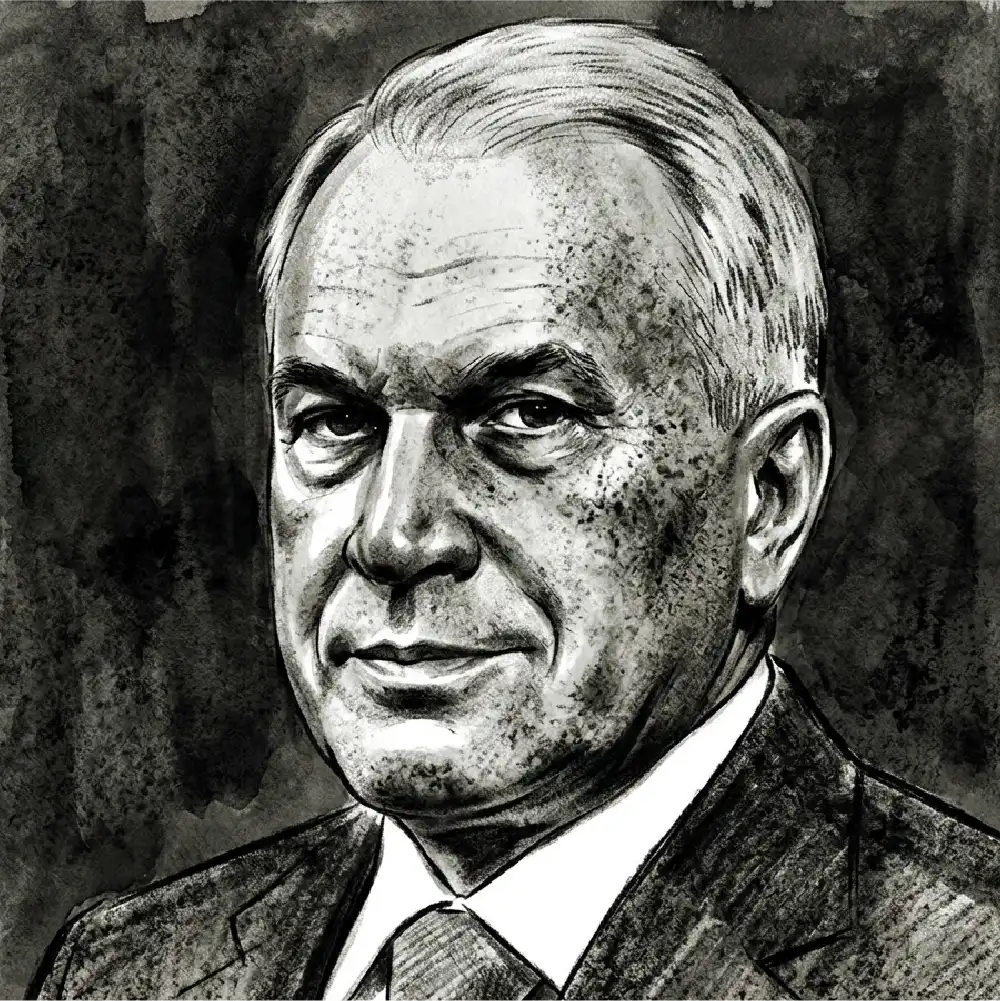
Yuri Kovalchuk
Bank Rossiya, National Media Group (NMG), SOGAZ
Yuri Kovalchuk (74 years old) is called the „personal banker“ and chief ideologue of the president, responsible for forming the media agenda and strategic planning. Kovalchuk is the informal curator of Russia’s internal policy.
Through the „National Media Group“ (NMG), led by Putin’s mistress Alina Kabaeva, Kovalchuk controls the country’s largest media resources: Channel One, Fifth Channel, REN TV, and Izvestia.
The economic foundation of the clan consists of Bank Rossiya and the SOGAZ insurance group.
Yuri Kovalchuk’s role reached a new level after 2020: according to many sources, it was he who spent the most time with Putin in isolation during the pandemic, sharing his views on „restoring historical justice“ and confrontation with the West.
Through Sergey Kiriyenko, they control the presidential administration, and through Mikhail Kovalchuk (Yuri’s brother), they control fundamental science and the budgets of the Kurchatov Institute.
In 2024, the clan’s influence was secured by the appointment of Yuri’s son, Boris Kovalchuk, as head of the Accounts Chamber.
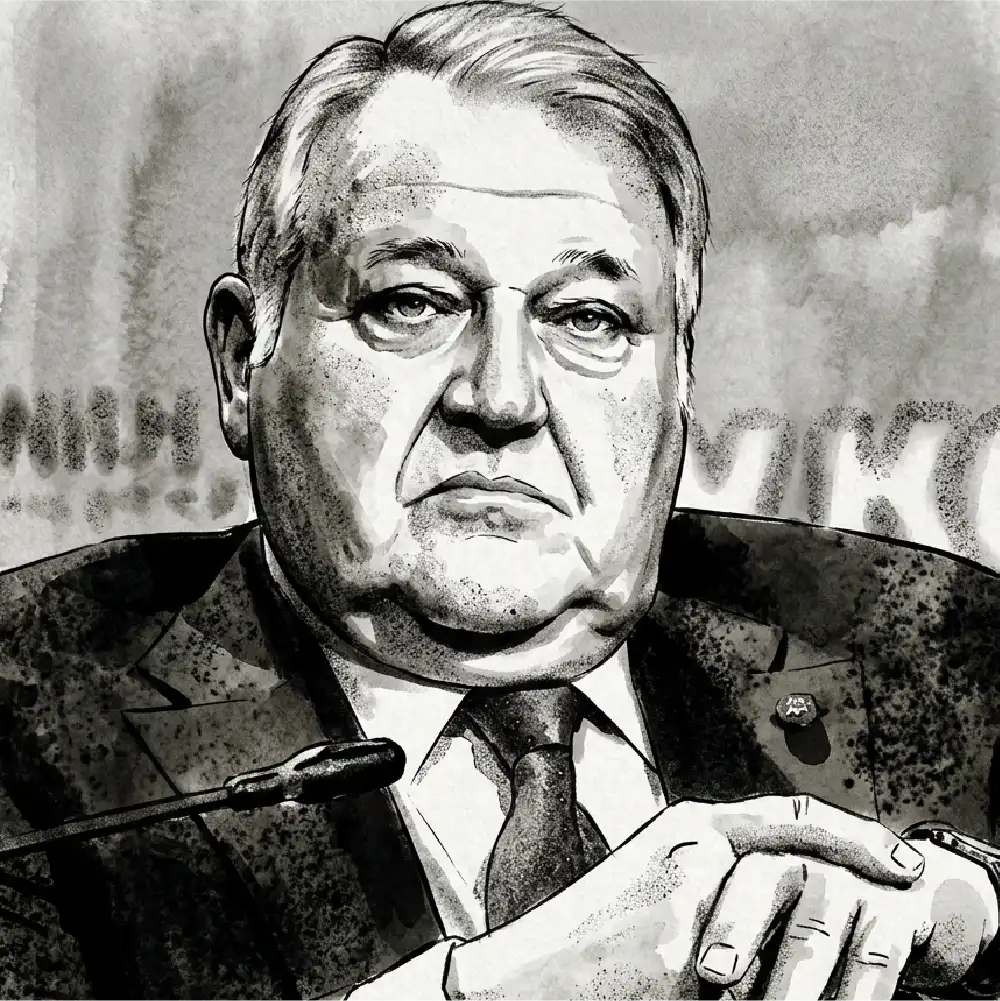
Mikhail Kovalchuk
Kurchatov Institute, Presidential Council for Science and Education
Mikhail Kovalchuk (79 years old) is the elder brother of Yuri Kovalchuk and the chief ideologue of Russia’s scientific and technological development.
Since 2005, he has led the NRC „Kurchatov Institute“, which has turned into a „scientific empire“, absorbing dozens of the country’s leading research institutes.
Kovalchuk serves as Putin’s guide to the world of “science of the future” and global threats. He is the author of theories about the creation of „nature-like technologies“ and „biological dangers“ coming from the West.
After 2022, Mikhail Kovalchuk became a key figure in ensuring „technological mobilization“, promoting the idea of the complete isolation of Russian science from Western institutions.
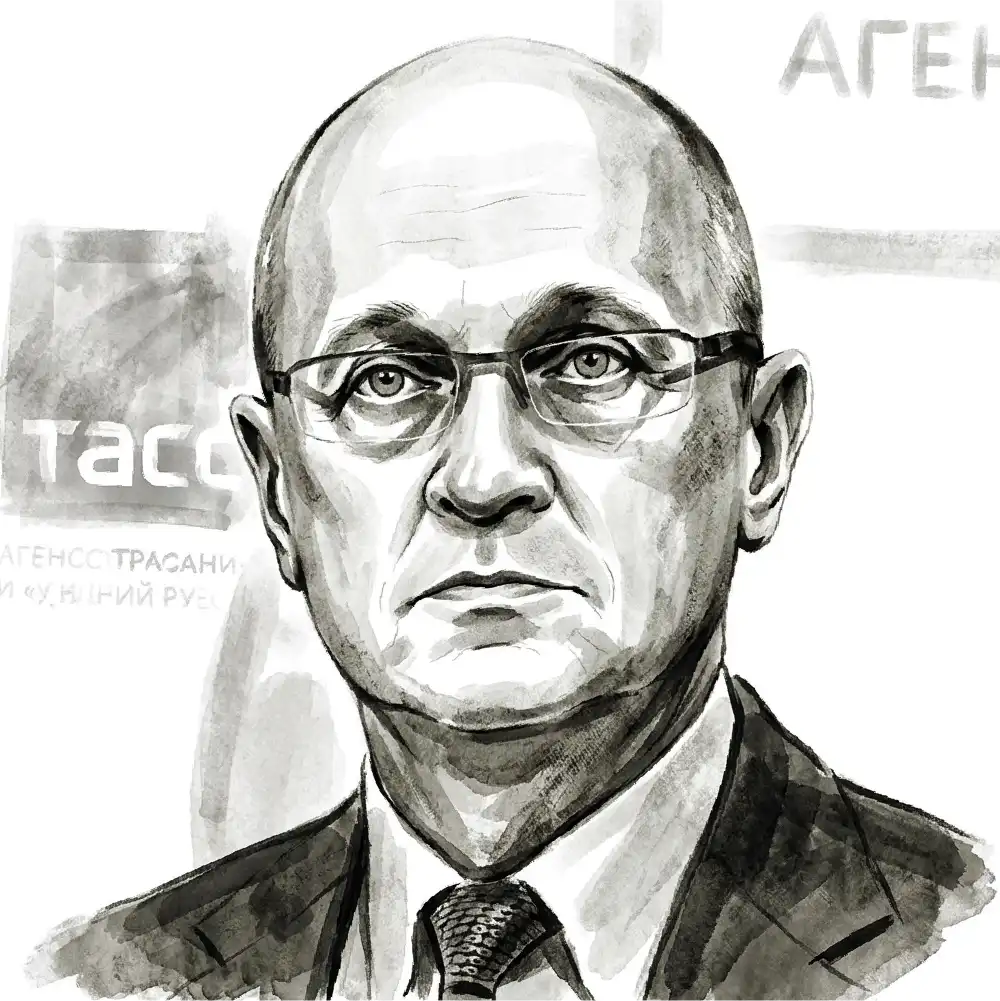
Sergey Kiriyenko
Presidential Administration (Internal Policy), Rosatom, VK
Sergey Kiriyenko (62 years old) is the curator of the Putin regime’s internal policy, serving as First Deputy Head of the Presidential Administration since 2016.
His alliance with the Kovalchuk clan is strategic: Kiriyenko provides administrative resources and personnel selection, while the Kovalchuks provide financial and media support. His influence is built on total control over meanings and personnel. He is the ideologue of the „Leaders of Russia“ system.
In the digital environment, the clan is anchored through Sergey’s son—Vladimir Kiriyenko, who headed the VK holding. This turned the country’s largest social network into an instrument of state control and propaganda.
After 2022, Kiriyenko became a key „civilian“ face of the war, overseeing the creation of a new ideological layer in society.
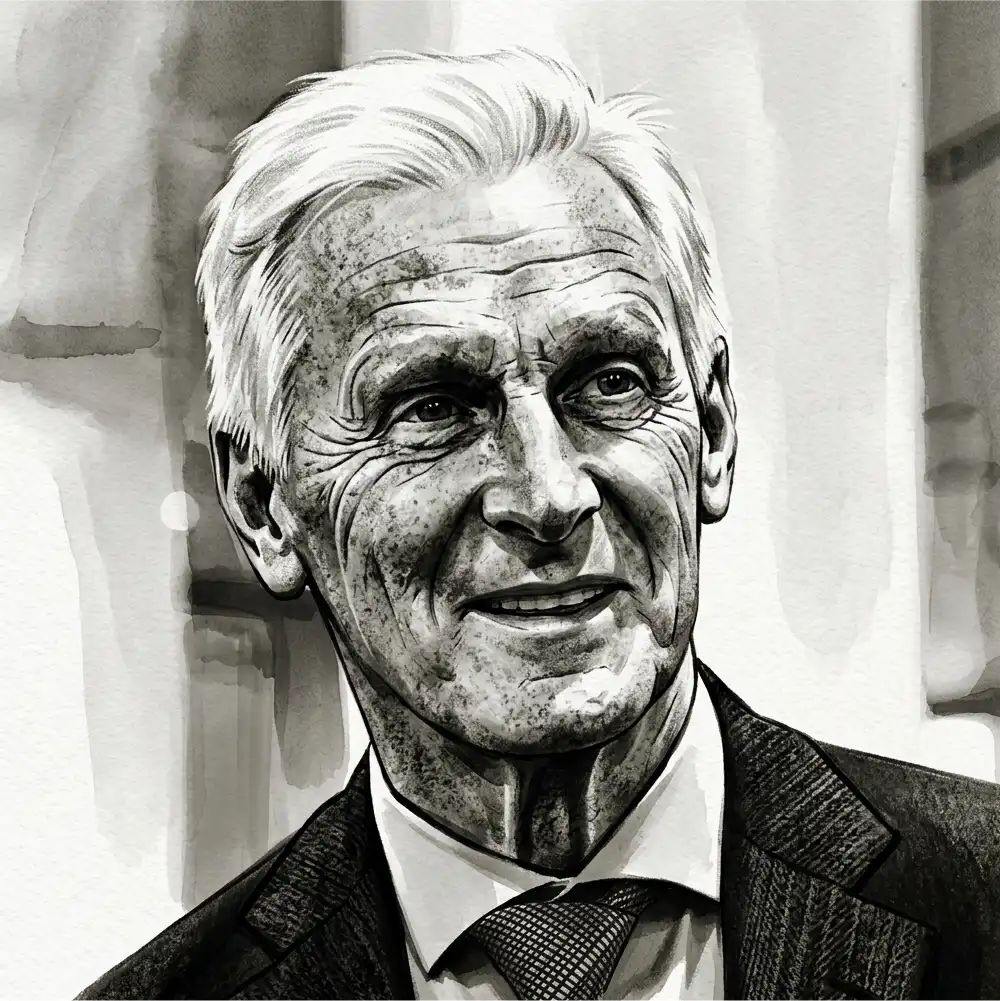
Andrey Fursenko
Science and Education
Andrey Fursenko (76 years old) is a member of the legendary „Ozero“ cooperative.
In the power system, Fursenko plays the role of one of the main lobbyists for the clan’s interests in higher education and fundamental science.
Since 2012, he has held the post of presidential assistant, overseeing the country’s entire scientific and technological agenda. He coordinates work on the import substitution of critical technologies and the mobilization of scientific potential for the needs of the military-industrial complex.
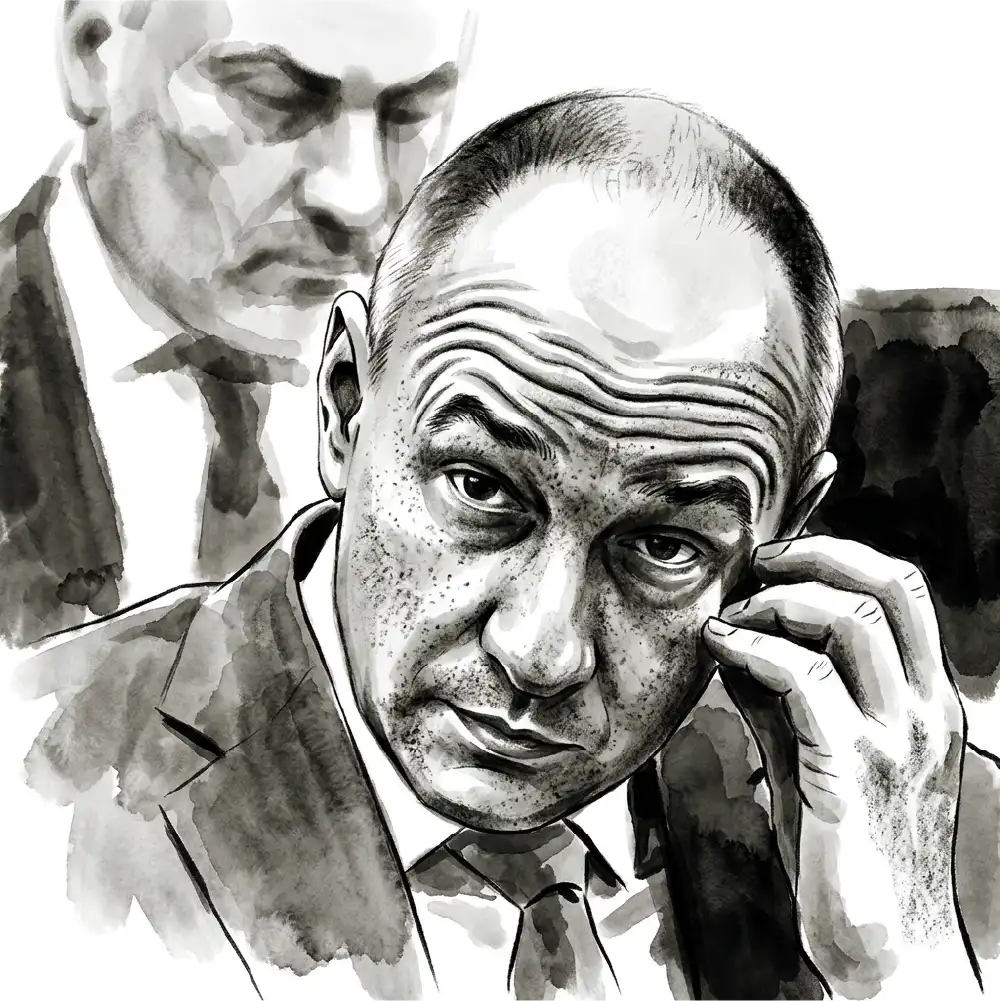
Boris Kovalchuk
Accounts Chamber of the RF / Energy
Boris Kovalchuk (48 years old) is the son of Yuri Kovalchuk, embodying the process of transferring power and assets to the „heirs“ of the president’s inner circle.
From 2009 to 2024, he led the Inter RAO holding—one of the country’s largest energy companies.
In 2024, he was appointed head of the Accounts Chamber of the RF. This appointment turned him into the country’s chief „auditor“, giving the Kovalchuk clan an unprecedented lever of control over the entire vertical of power, allowing them to oversee the financial discipline of potential competitors.
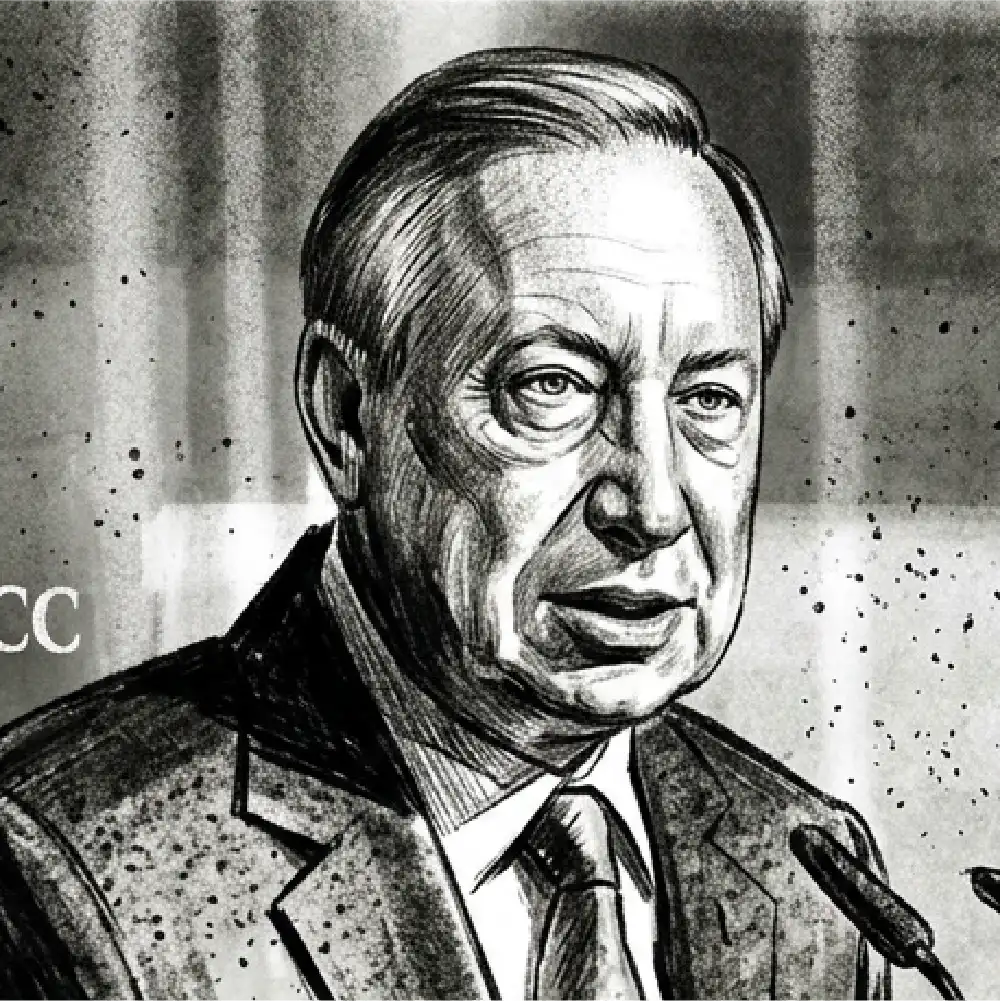
Alexander Beglov
Government of St. Petersburg
Alexander Beglov (69 years old) is considered a direct appointee of Yuri Kovalchuk, ensuring the clan’s interests in their „base“ region.
As governor of St. Petersburg, Beglov acts as an operator of large infrastructure and investment projects in which Bank Rossiya and Kovalchuk-linked contractors are interested.
In 2024, having been re-elected for a new term, Beglov maintained full administrative control over the country’s second most important city for the Kovalchuk clan.
Alexander Gutsan
Prosecutor General's Office
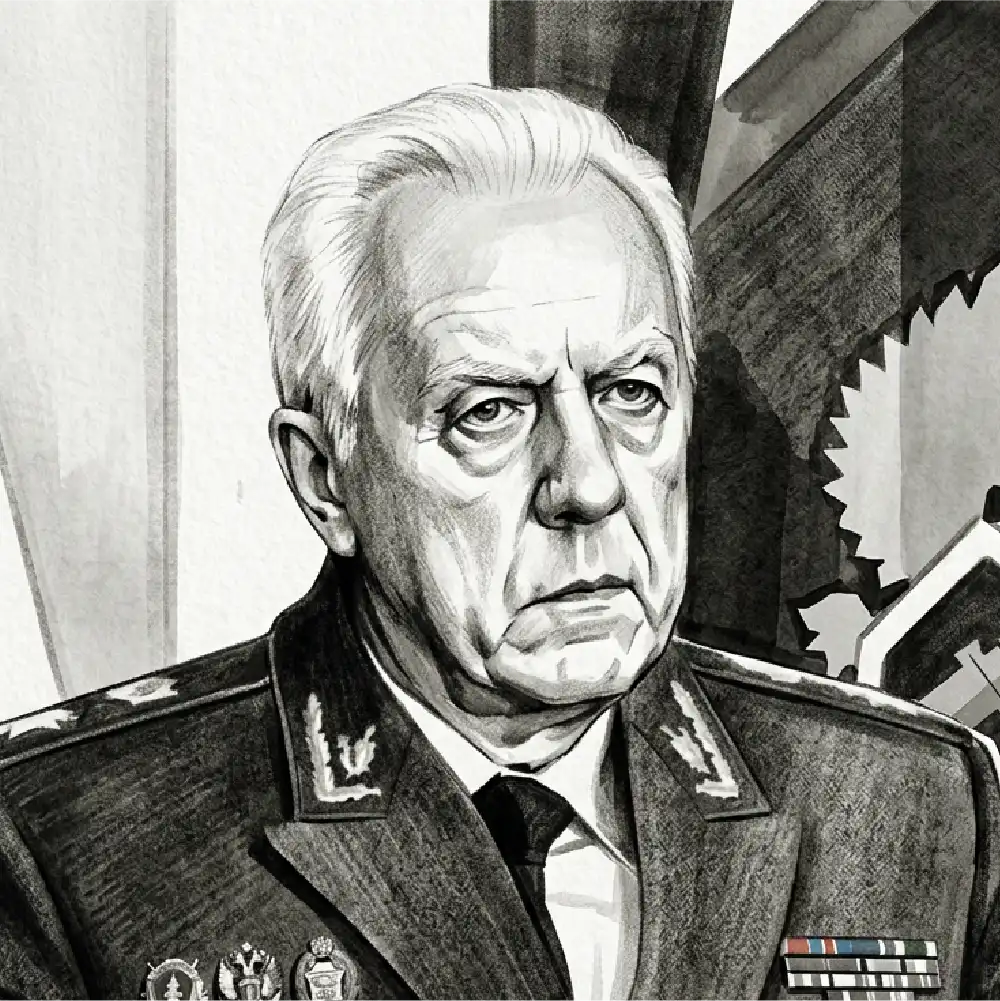
Alexander Gutsan (65 years old) is a trusted person of the Kovalchuk clan in the law enforcement vertical.
In September 2025, Gutsan’s political weight reached its peak: he was appointed Prosecutor General of the Russian Federation. This appointment allowed the Kovalchuk clan to gain control over the main supervisory body in the country.
In league with Boris Kovalchuk (head of the Accounts Chamber), the family now has the ability to not only audit financial expenditures but also immediately initiate criminal and administrative prosecution of any officials or businessmen.
Gutsan plays the role of a key tool in the legalization of property redistribution.
Die KGB-Mitstreiter
Sergey Chemezov
Rostec
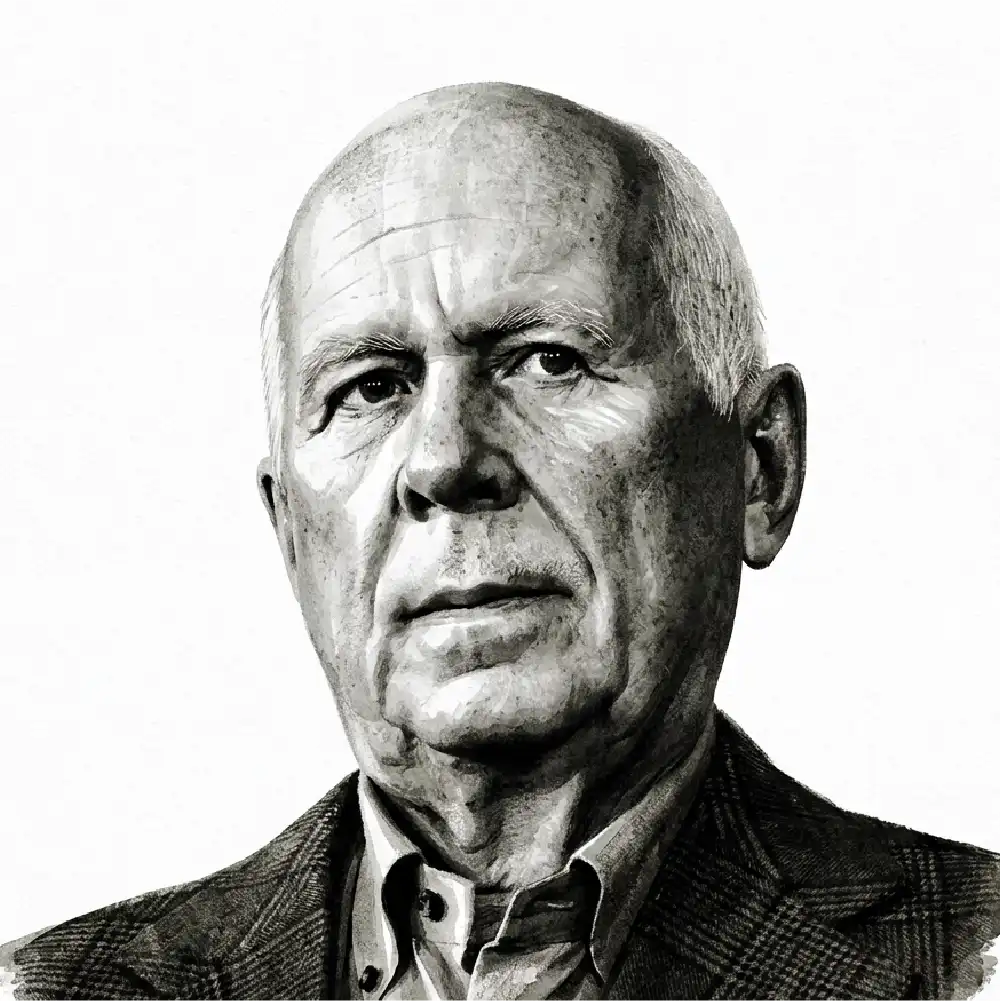
Sergey Chemezov (73 years old) is one of the most influential people in Putin’s circle, whose connection with the president dates back to the mid-80s in Dresden (GDR).
Since 2007, Chemezov has led the state corporation „Rostec“. Under his control are hundreds of enterprises of the military-industrial complex.
After 2022, Chemezov’s role as the main arms producer for the Russian army became critical.
He actively participates in the process of „creeping nationalization“: assets of private owners who fail to cope with state defense orders or are recognized as „disloyal“ are systematically transferred to the management of „Rostec“.
Nikolay Tokarev
Transneft
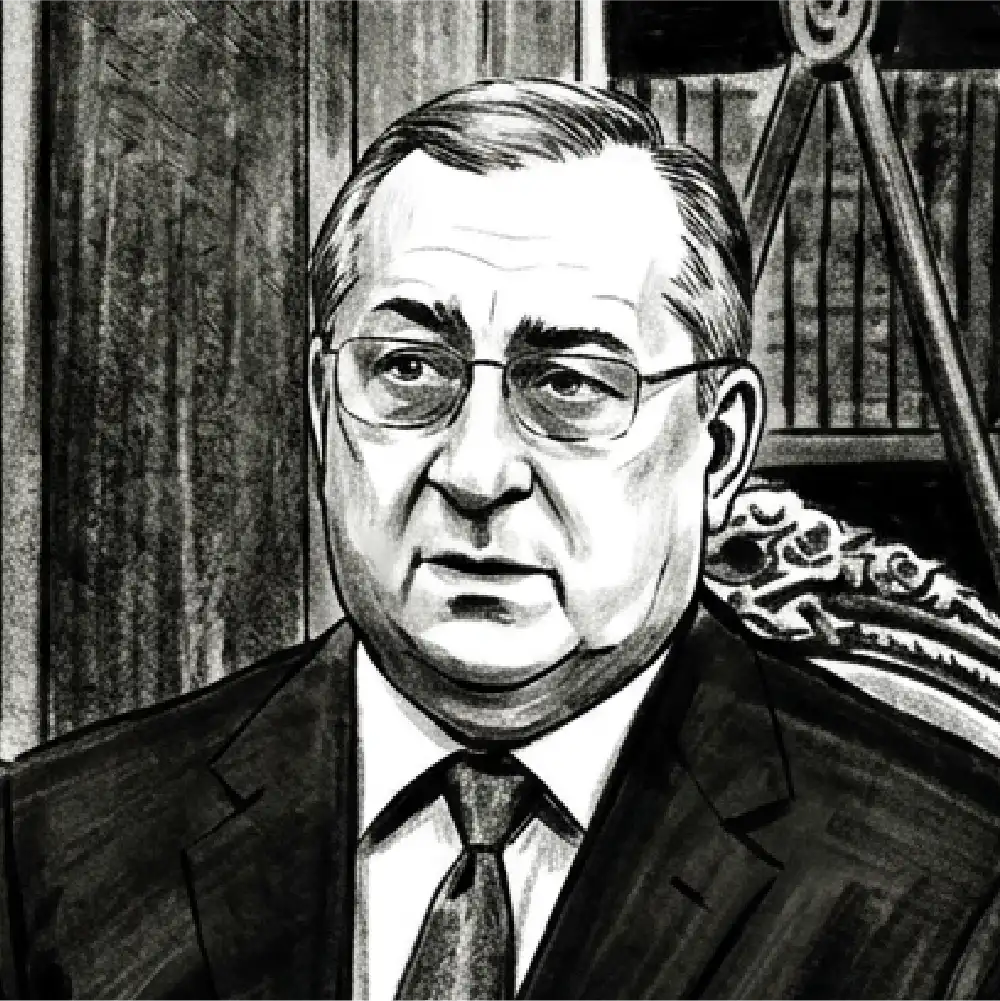
Nikolay Tokarev (75 years old) is a member of the „Dresden group“. Tokarev traditionally belongs to Sergey Chemezov’s orbit of influence.
Under his leadership, „Transneft“ turned into a key tool of the Kremlin’s energy diplomacy, managing the world’s largest oil pipeline system.
After 2022, Tokarev’s role became critical in the context of reorienting oil flows from the West to the East. In the clan hierarchy, Tokarev acts as the „guardian of the pipe“ — the regime’s key financial artery.
Denis Manturov
Government
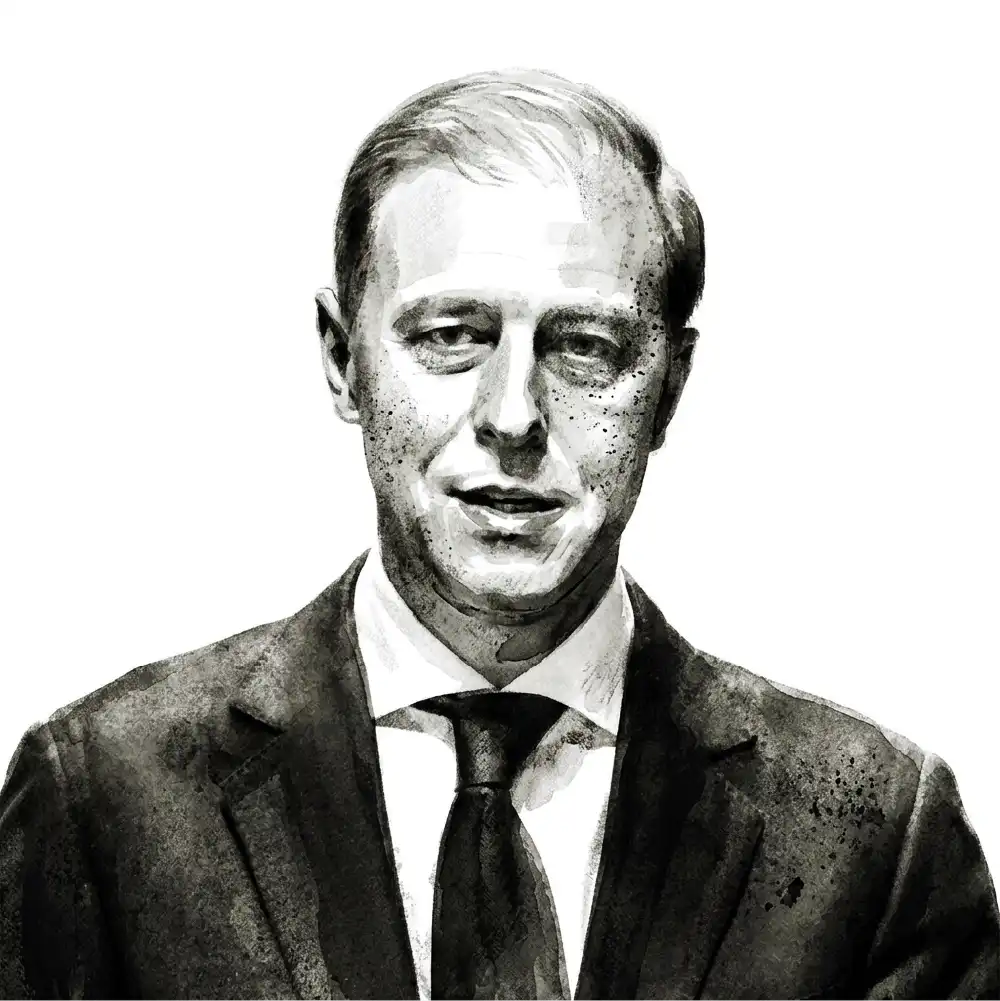
Denis Manturov (57 years old) is the key conductor of Sergey Chemezov’s interests in the government. Chemezov publicly called Manturov a „reliable friend“.
In May 2024, he received the status of First Deputy Prime Minister, making him the chief curator of the entire real sector of the economy and the military-industrial complex.
For the successful supply of the front in 2026, Putin awarded Manturov the title of Hero of the Russian Federation.
Manturov plays the role of a strategic operator who legalizes Rostec’s expansion and puts civilian industry on „military tracks“.
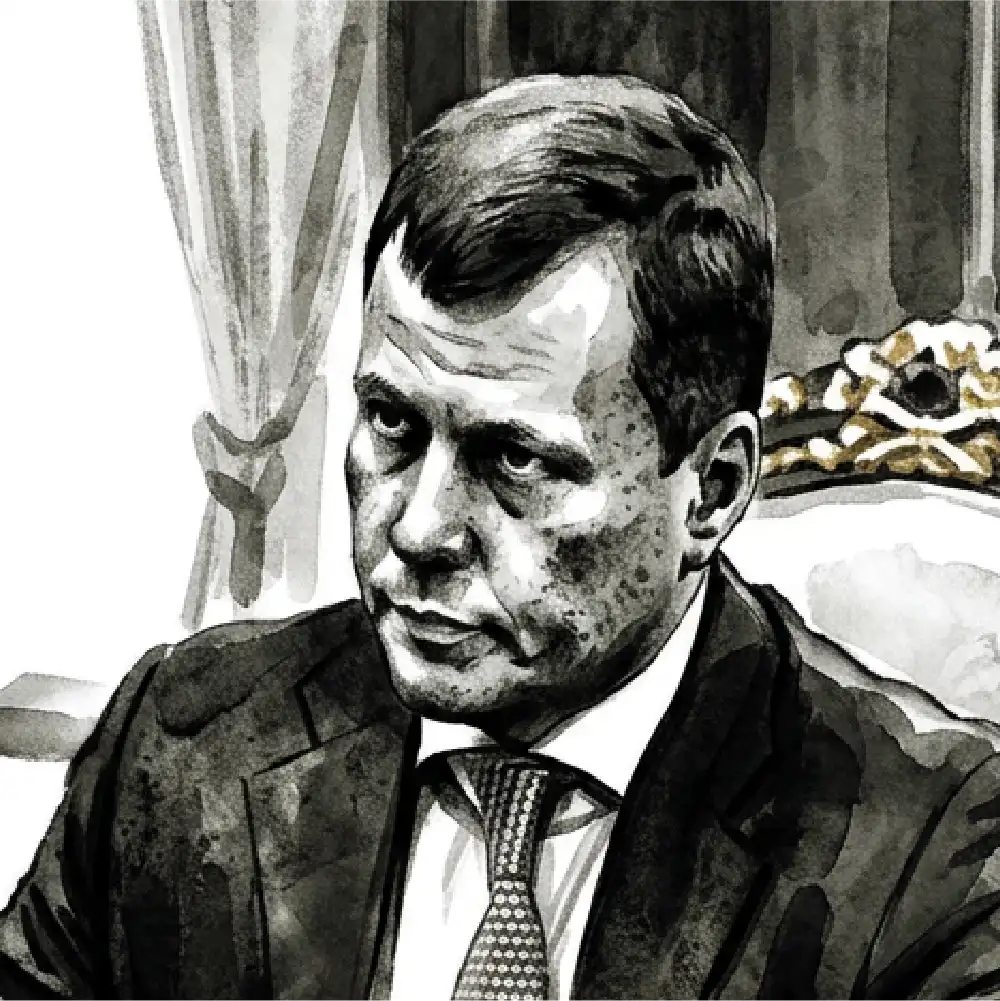
Sergey Kulikov
Rosnano, Military-Industrial Commission (VPK)
Sergey Kulikov (49 years old) is one of the most trusted young technocrats in Sergey Chemezov’s system.
In December 2020, Kulikov replaced Anatoly Chubais as head of „Rosnano“. His appointment marked the final transition of the innovation sector under the control of the Rostec group and the siloviki.
In the context of the war, „Rosnano“ was reoriented toward the needs of the VPK, particularly for creating new materials and microelectronics for the front.
The Oilmen
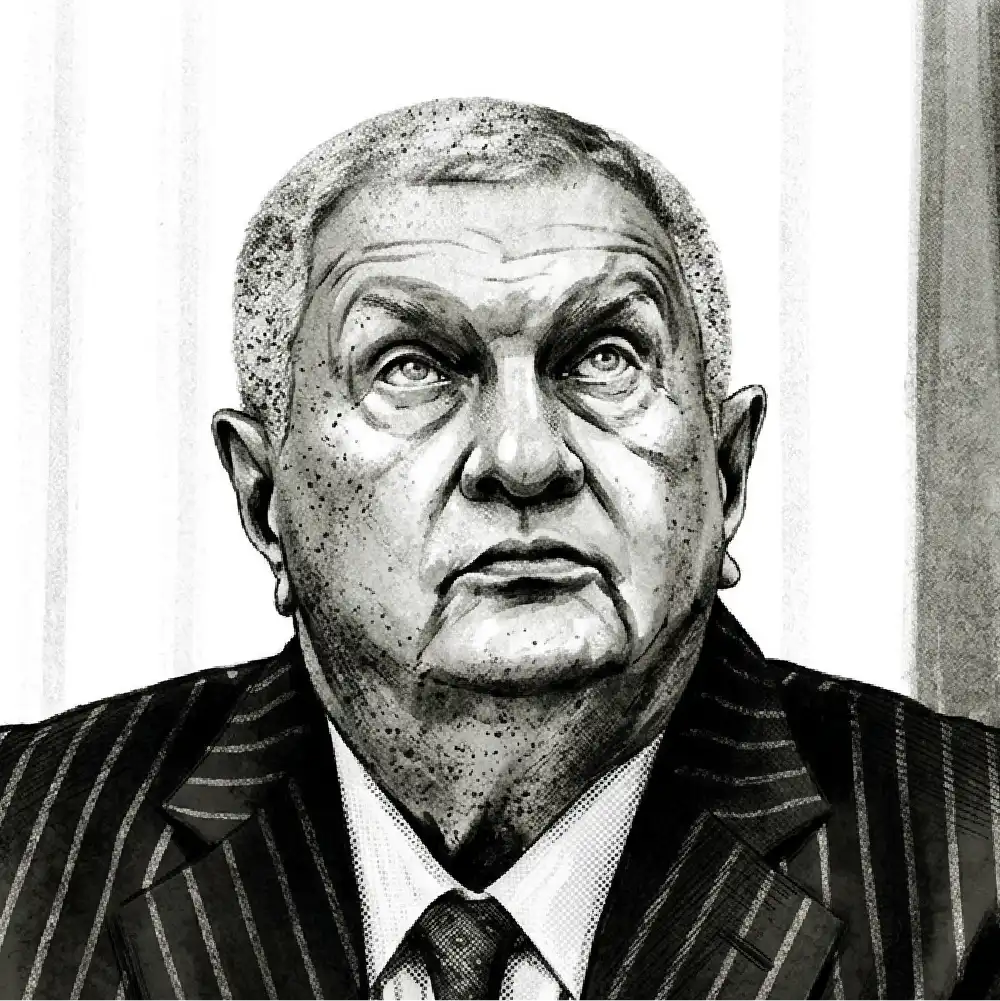
Igor Sechin
Rosneft
Igor Sechin (65 years old) is known in the media as „Darth Vader“ for his tough management style.
Since 2004, Sechin has headed „Rosneft“, turning it into the world’s largest oil company through a series of aggressive takeovers. He became the main ideologue of state capitalism.
Power support for Sechin is provided by the so-called „Sechin’s Spetsnaz“—the 6th service of the FSB’s Internal Security Directorate, which he helped form for the Yukos case.
Former head of the „Six“, Ivan Tkachev, now heads the Department of Military Counterintelligence of the FSB (DVKR), which gives Sechin unprecedented levers of influence over the army leadership.
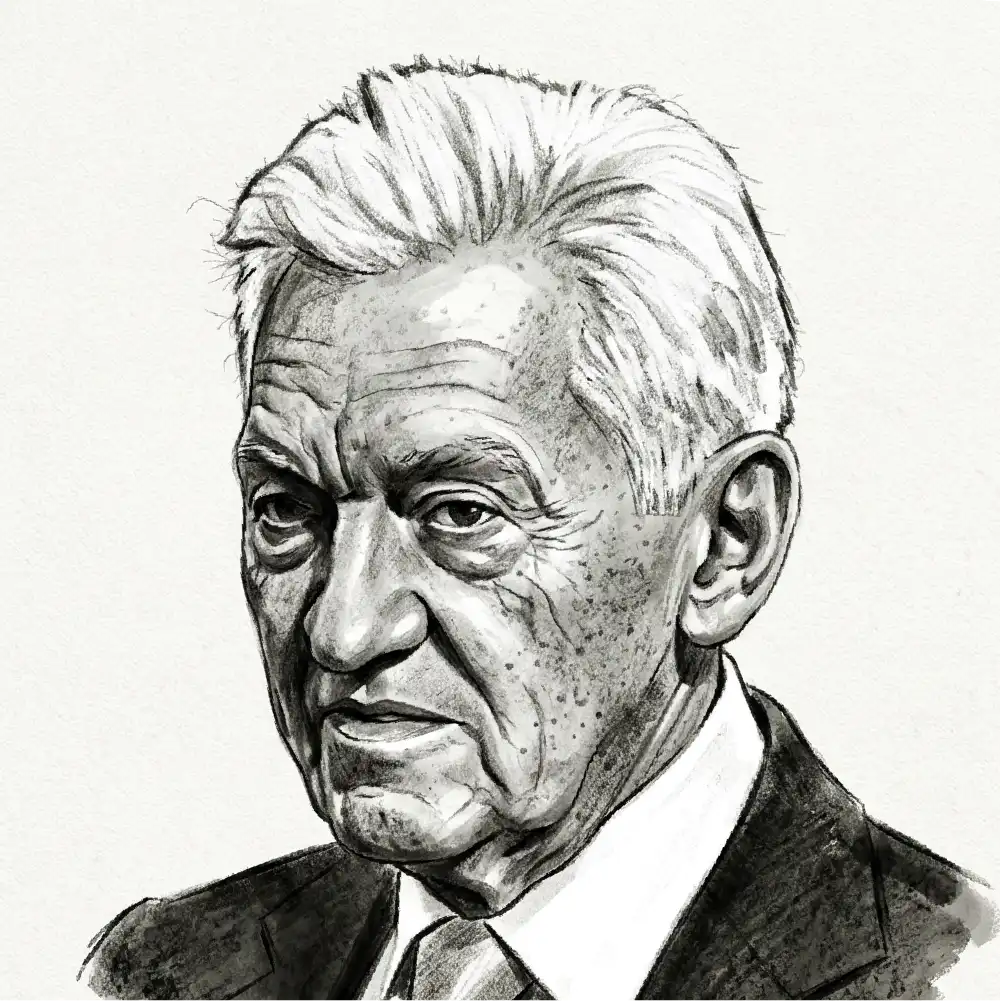
Gennady Timchenko
Novatek, Sibur, ex-Gunvor
Gennady Timchenko (73 years old) is a heavyweight of the Putin elite.
According to official statements by the US Treasury, Vladimir Putin personally had investments in Gunvor, which made Timchenko the actual manager of the president’s personal oil income.
After 2022, Timchenko’s role became critical for the regime’s survival under the oil embargo. His structures and former managers switched to managing the „shadow fleet“ — numerous tankers with opaque ownership.
Timchenko acts as the architect of parallel export corridors.
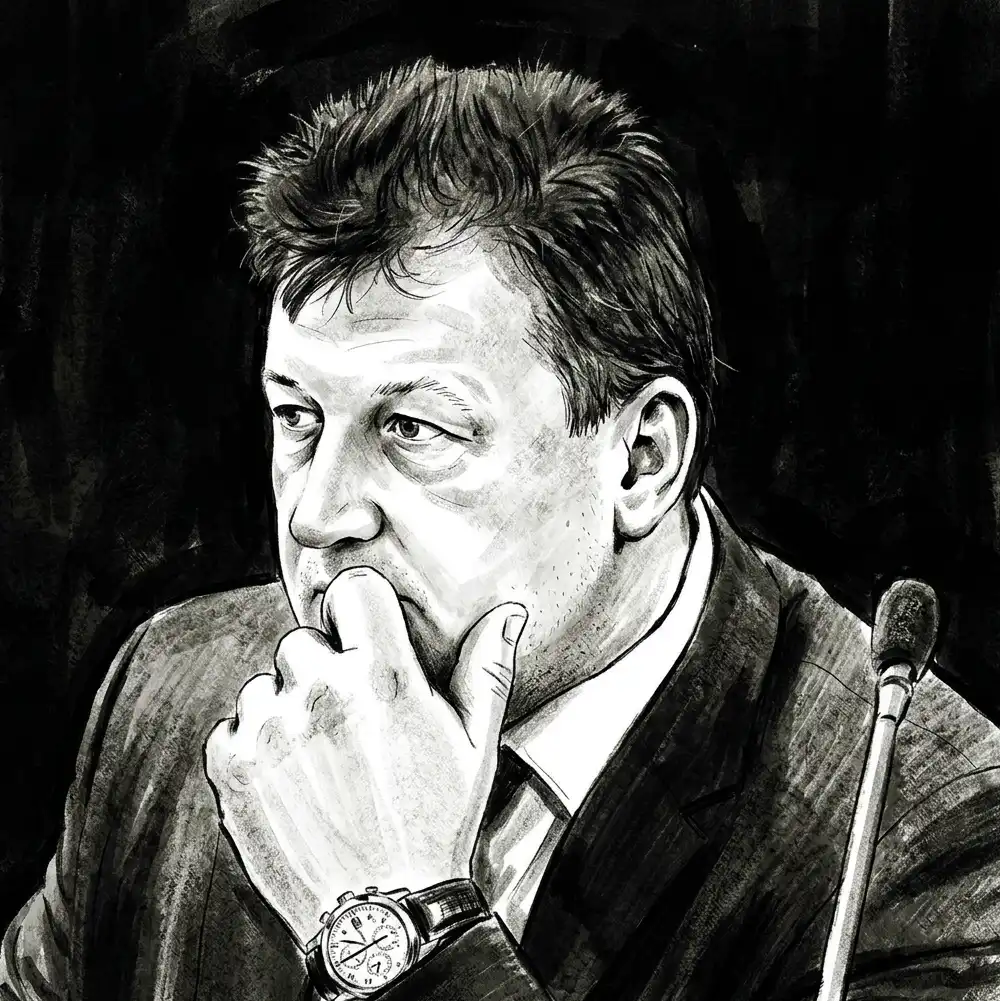
Ivan Tkachev
Department of Military Counterintelligence (DVKR) of the FSB
Ivan Tkachev (Lieutenant General) led the 6th service of the FSB’s Internal Security Directorate, created with Sechin’s direct participation to purge the political and economic field of opponents. The „Six“ gained a reputation as an „Oprichnina“.
After UMB, Tkachev headed Department „K“ of the FSB, and then moved to the post of head of the Department of Military Counterintelligence (DVKR) of the FSB.
During full-scale war, the DVKR exercises direct oversight of the Ministry of Defense and monitors the distribution of giant defense budgets.
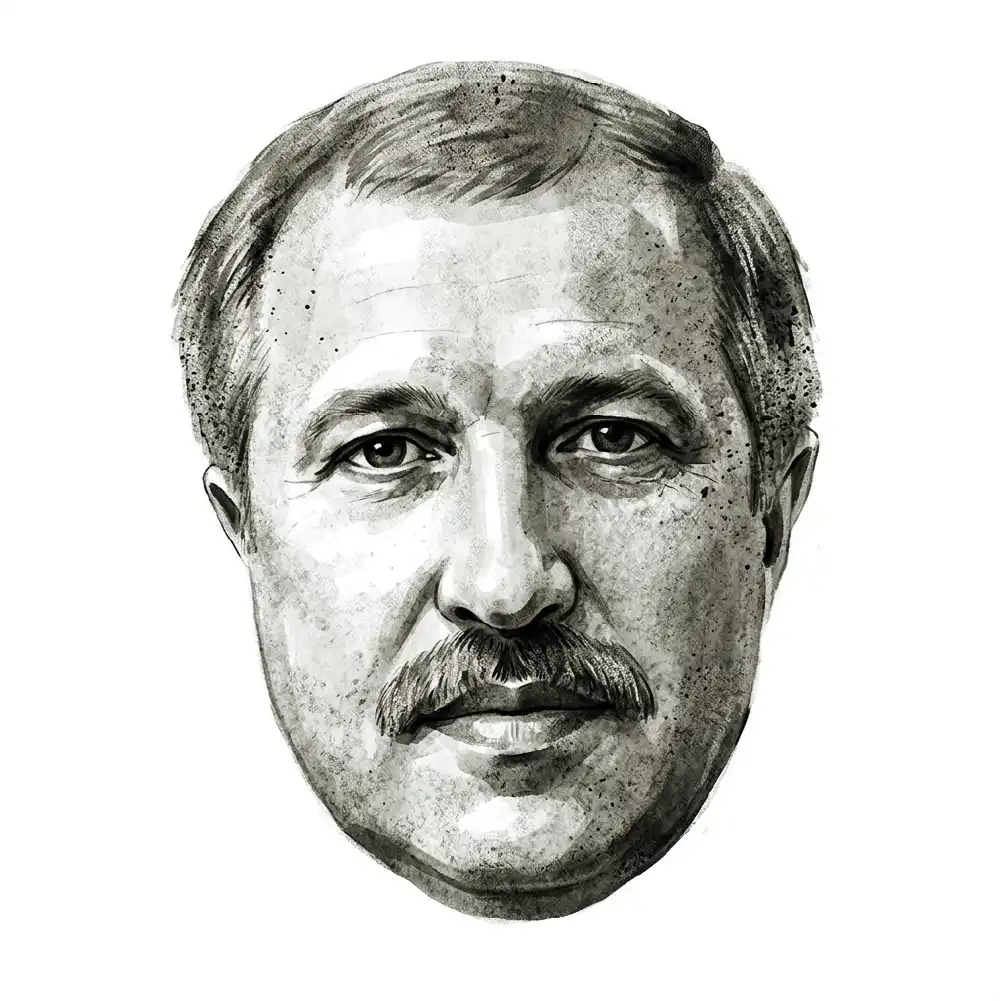
Eduard Khudaynatov
Independent Oil and Gas Company (NNC)
Eduard Khudaynatov (65 years old) is a key business partner of Igor Sechin, performing the role of „trusted person“ for managing private assets.
In 2013, he formally left Rosneft to create his own private holding — the „Independent Oil and Gas Company“ (NNC).
NNC became a unique tool in the architecture of Sechin’s clan, systematically buying up oil fields and refineries that are then integrated into general logistics chains with Rosneft.
NNC is effectively a „private branch“ of the state oil monopoly.
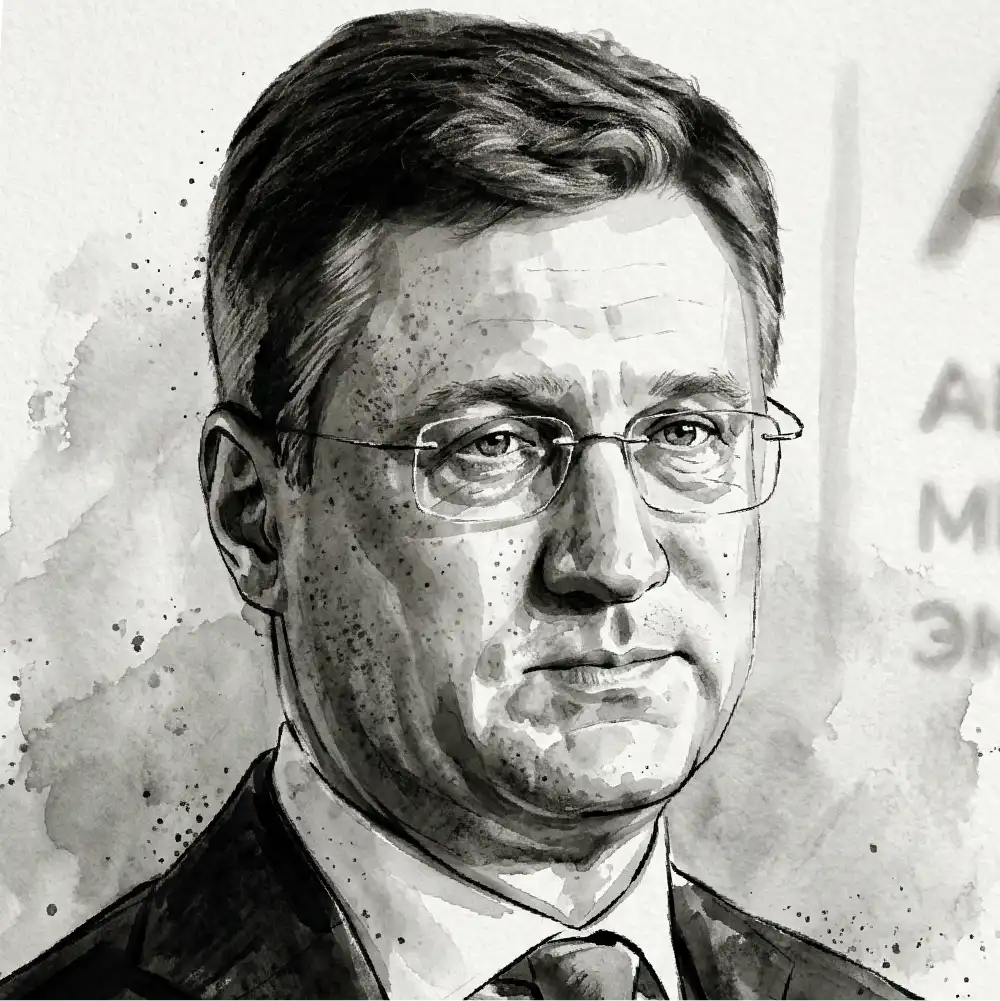
Alexander Novak
Government of the RF
Alexander Novak (54 years old) is a key technocrat in the management system of the Russian fuel and energy complex.
Despite his „technocrat“ status, Novak is deeply integrated into Igor Sechin’s orbit of interests. Since 2015, he has been a member of the Board of Directors of Rosneft.
In May 2024, Putin re-confirmed him as Vice Prime Minister. Novak plays the role of Sechin’s „state interface“, legalizing Rosneft’s initiatives through government decrees and international agreements.
The Rotors
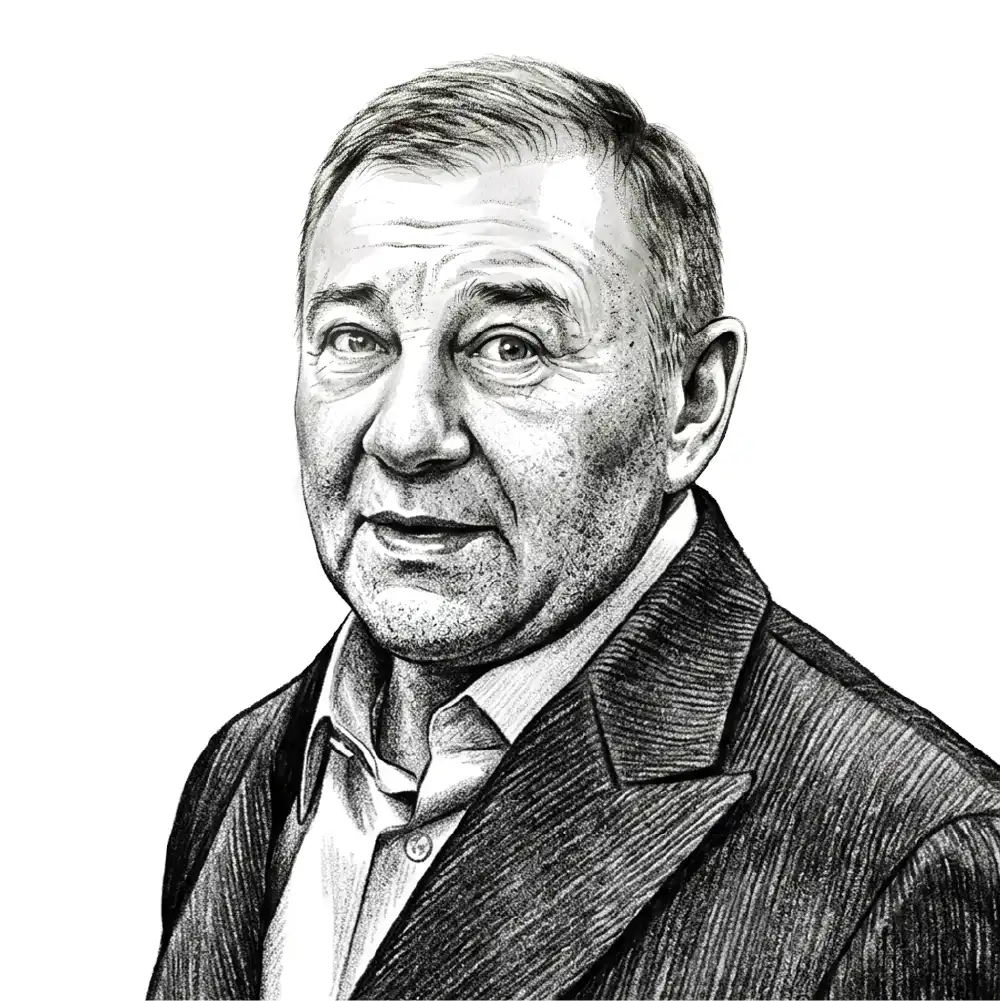
Arkady Rotenberg
Mostotrest, SMP Bank, Sheremetyevo, Domodedovo
Arkady Rotenberg (74 years old) is a childhood friend of Putin.
He built a giant construction empire specialized in the most ambitious state projects, the main symbol being the Crimean Bridge. Rotenberg operates through private structures that depend entirely on budget funding.
After 2022, Arkady Rotenberg and his clan members became key beneficiaries of property redistribution and nationalization. According to the Financial Times, Rotenberg-linked company “Roskhim” has already acquired at least three Russian companies after they were nationalized.
In 2020, Putin awarded him the title of Hero of Labour of the RF.
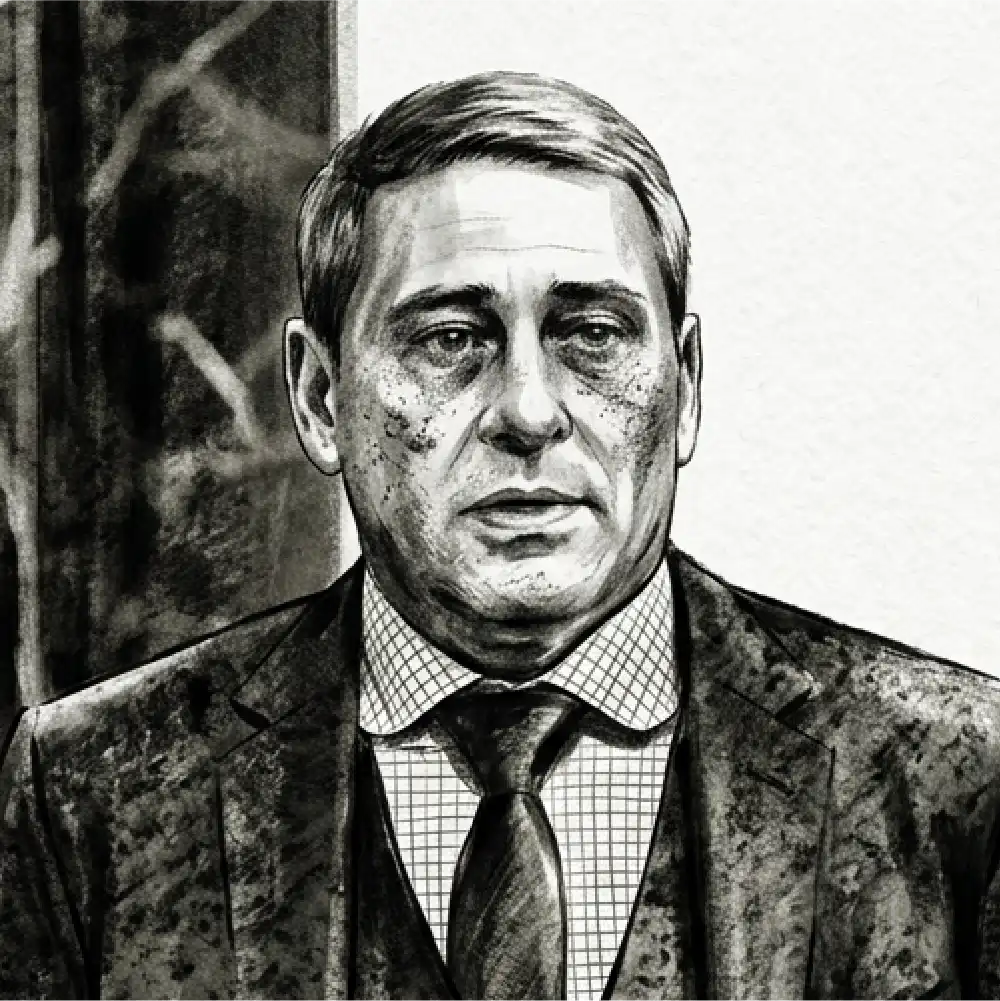
Igor Rotenberg
Platon System, Gazprom Burenie
Igor Rotenberg (52 years old) is the eldest son of Arkady Rotenberg.
His main asset is a stake in „RT-Invest Transport Systems“, the operator of the „Platon“ system, which collects fees from heavy trucks on federal highways. This project is a classic example of public-private partnership in the interest of a narrow circle of people.
Igor Rotenberg also controls „Gazprom Burenie“, Gazprom’s largest contractor. He manages „digital rent“, providing the family’s long-term financial stability.
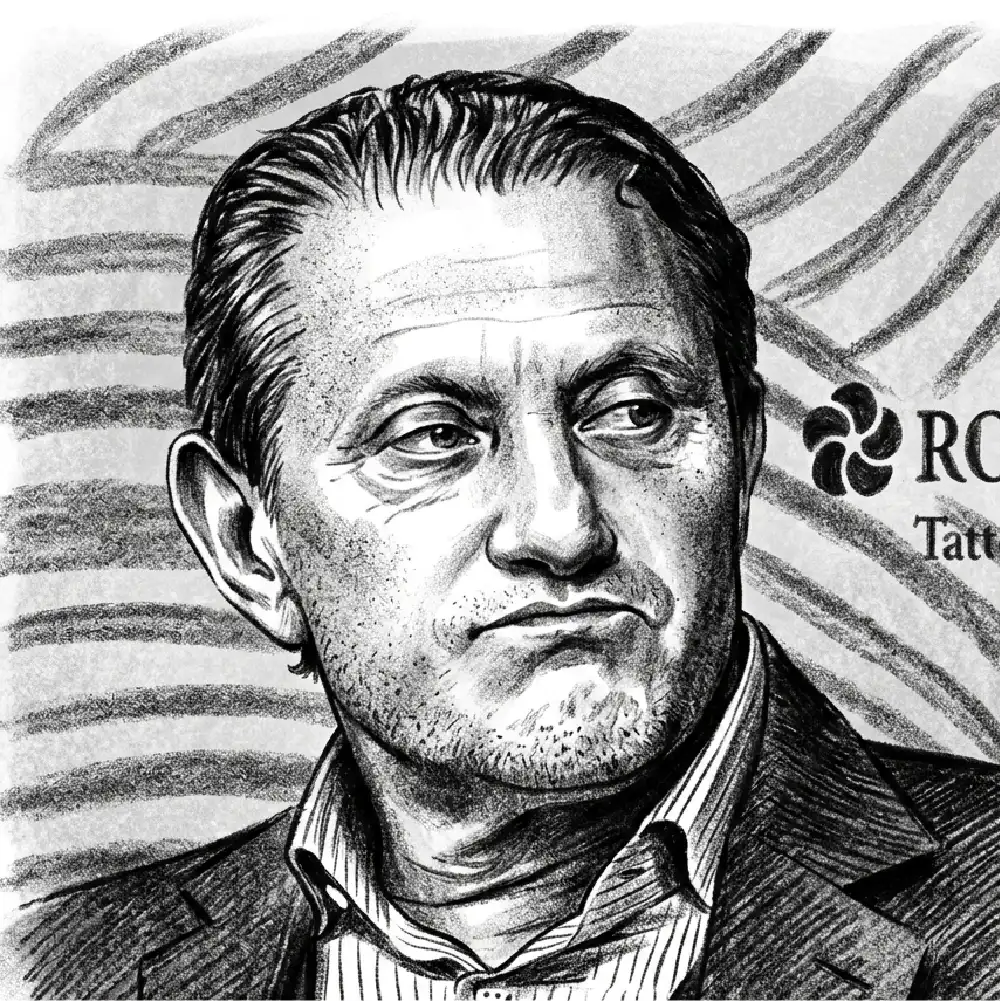
Boris Rotenberg
SMP Bank
Boris Rotenberg (68 years old) is the younger brother of Arkady. Boris was traditionally responsible for the financial block and the management of the family’s personal assets.
He also acts as the main curator of sports projects, which are an important channel for informal communication with Putin.
After 2022, SMP Bank was integrated into Promsvyazbank (PSB), allowing family assets to be integrated into the system for servicing state defense orders.
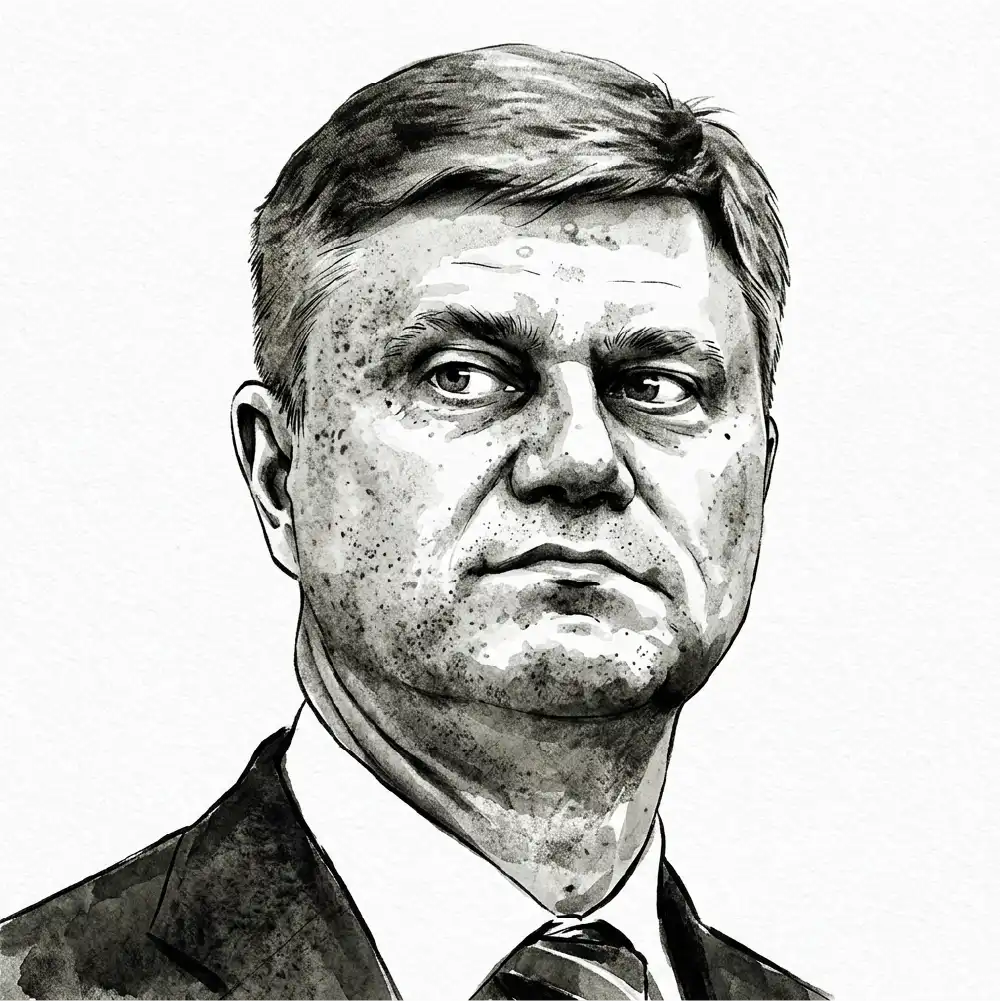
Oleg Belozerov
Russian Railways (RZD)
Oleg Belozerov (56 years old) has headed RZD since 2015. His career is inextricably linked with St. Petersburg and the interests of the Rotenberg brothers.
Under his leadership, RZD became the main customer for Rotenberg construction holdings, including projects for the expansion of the Eastern Polygon (BAM and Transsib).
Belozerov ensures the smooth operation of military transport logistics.
The Military
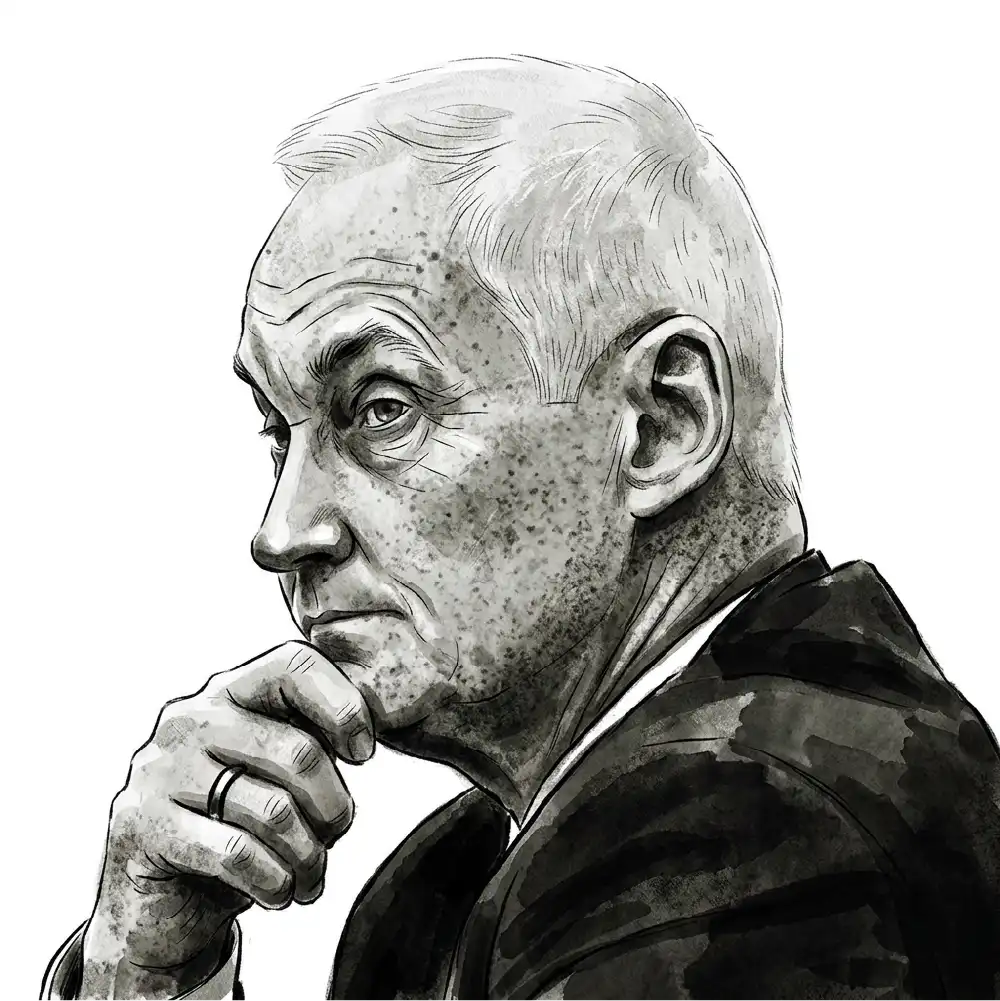
Andrey Belousov
Ministry of Defense of the RF
Andrey Belousov (66 years old) was appointed Minister of Defense in May 2024. He is the main architect of the concept of „Military Keynesianism“, whereby huge military spending should become the engine for the entire Russian economy.
Belousov’s main task is to conduct a „total audit“ and eradicate corruption schemes. He does not claim the role of commander but fully controls financial flows.
He is an ideal tool for Putin to control the security block.
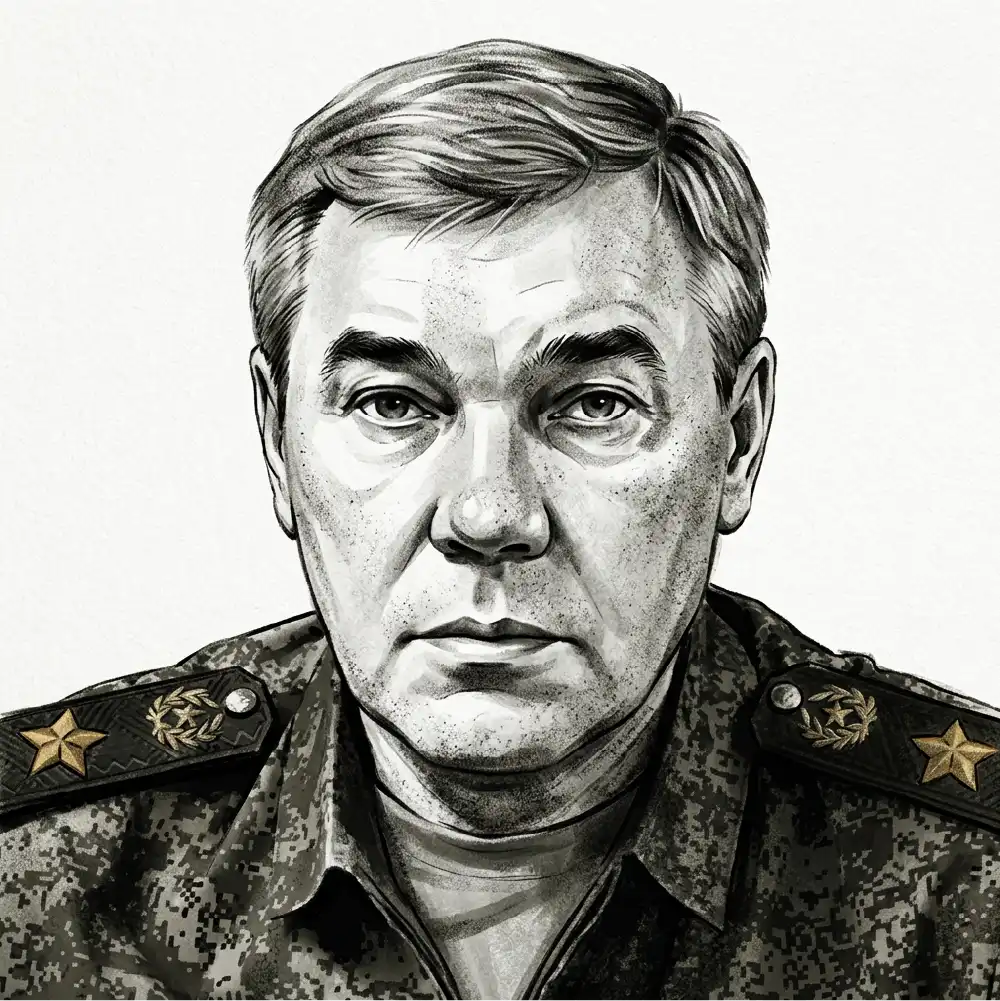
Valery Gerasimov
General Staff
Valery Gerasimov (70 years old) has been Chief of the General Staff since 2012. He is one of three people in the country with access to the „nuclear briefcase“.
Since January 2023, Gerasimov has personally led the Joint Group of Forces in the conflict with Ukraine.
He remains the key link between the political leadership and the fighting army.
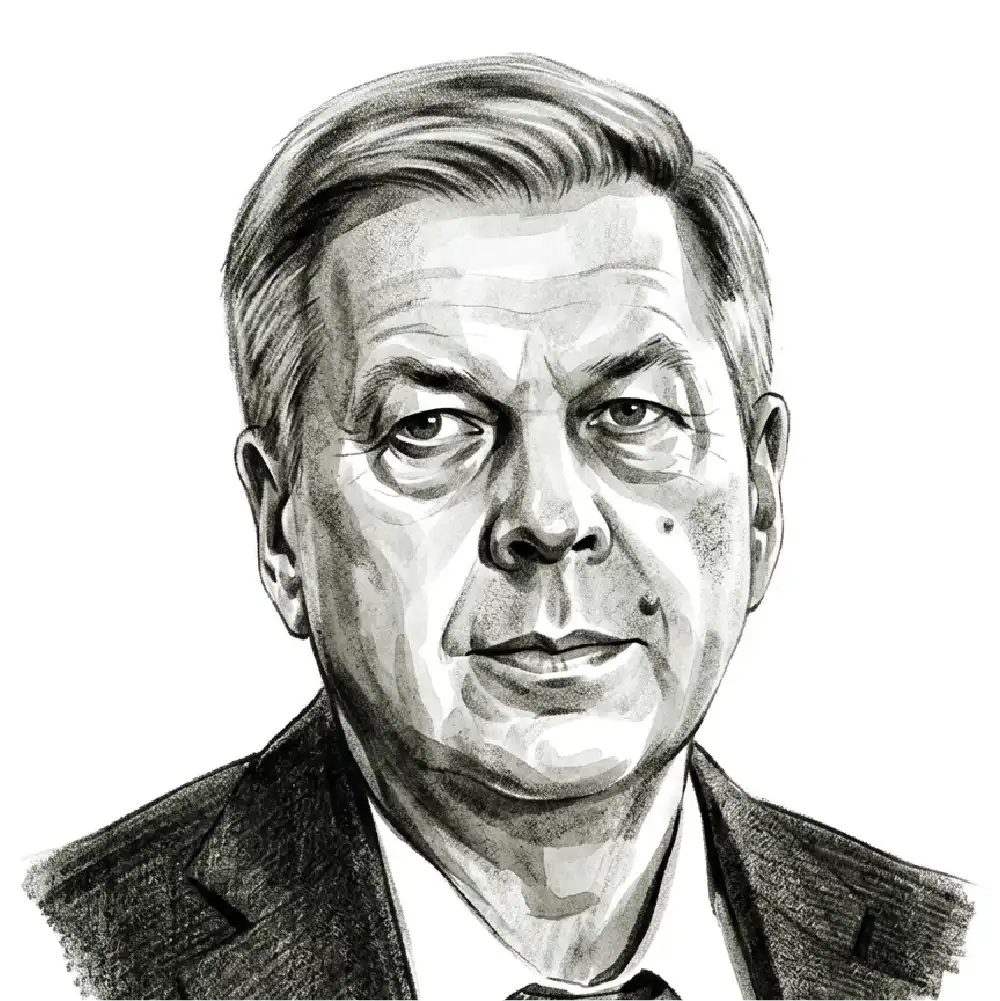
Igor Kostyukov
GRU
Admiral Igor Kostyukov (65 years old) has led military intelligence since 2018. Under his leadership, the GRU turned into Russia’s main instrument for sabotage abroad.
In 2024–2026, the GRU became the main operator of „hybrid war“, including cyberattacks and sabotage at logistics hubs supplying aid to Ukraine.
In January 2026, he led the Russian delegation at talks in Abu Dhabi, highlighting his status as an influential political player.
The Chekists
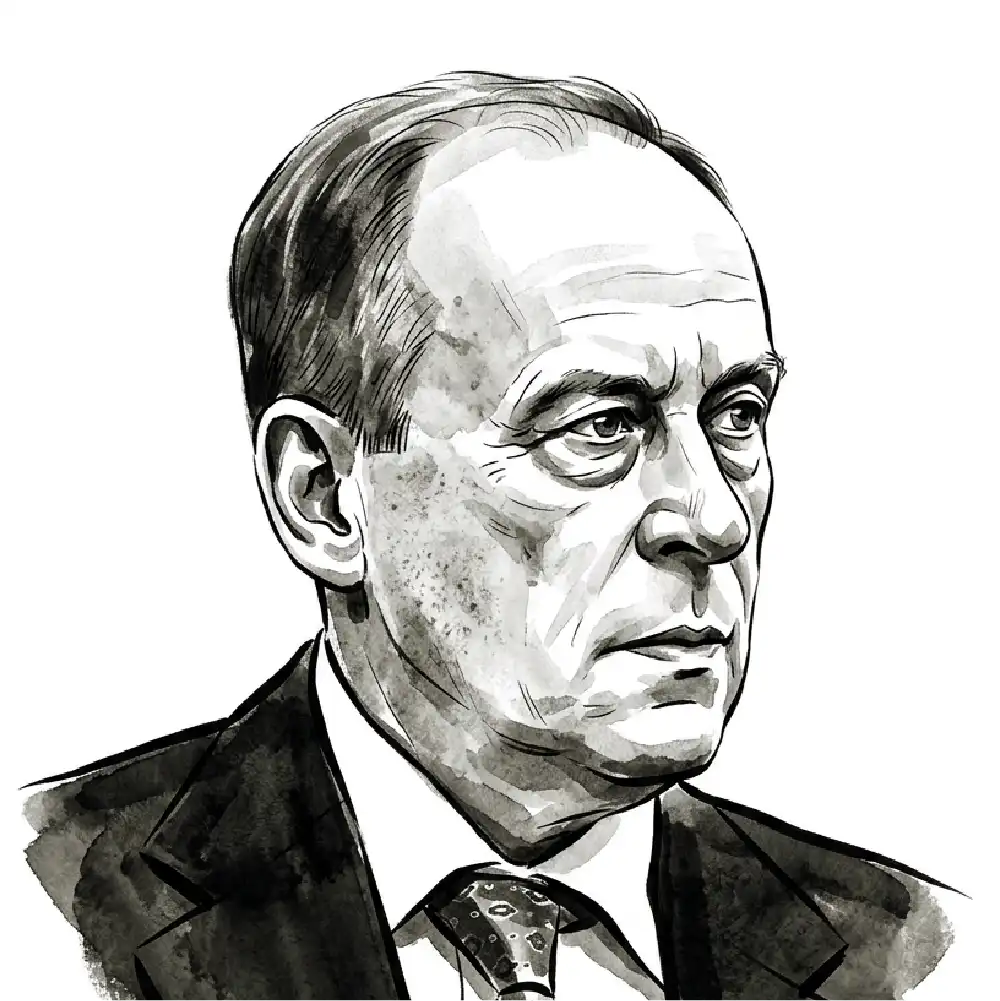
Alexander Bortnikov
FSB
Alexander Bortnikov (74 years old) has headed the FSB since May 2008. He acts as the main „guardian of the regime“, responsible for internal stability and fighting dissent.
After 2022, his influence became existential for the Kremlin. However, according to sources of IStories, Bortnikov is losing influence due to his health and spends more time in sanatoriums than at work.
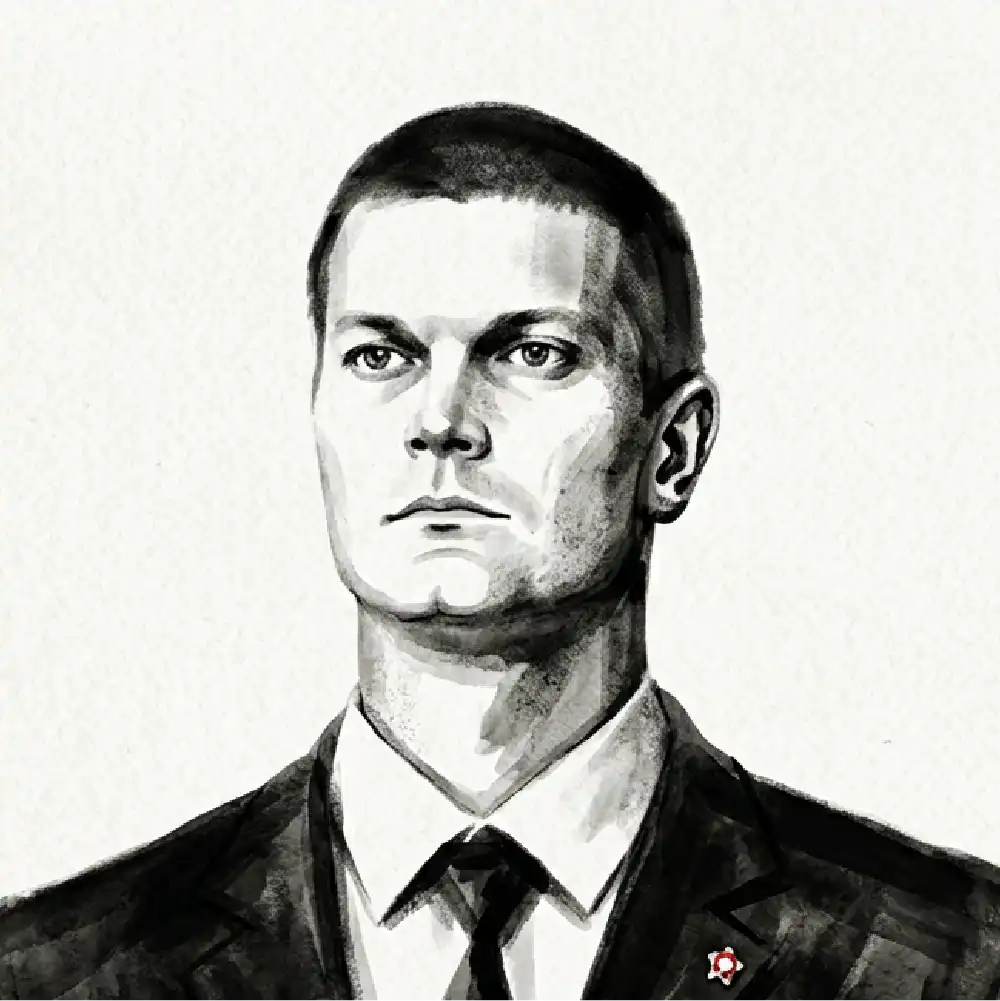
Sergey Korolev
FSB
Sergey Korolev (63 years old) is the „Gray Cardinal“ of the Lubyanka.
Despite a reputation for being close to leaders of the criminal world (helping Gennady Petrov and the hitman Aslan Gagiev), such connections are interpreted as „operational work“ in the Putin regime.
Today, Korolev is the First Deputy Director of the FSB and effectively manages the day-to-day activities of the service due to Bortnikov’s health.
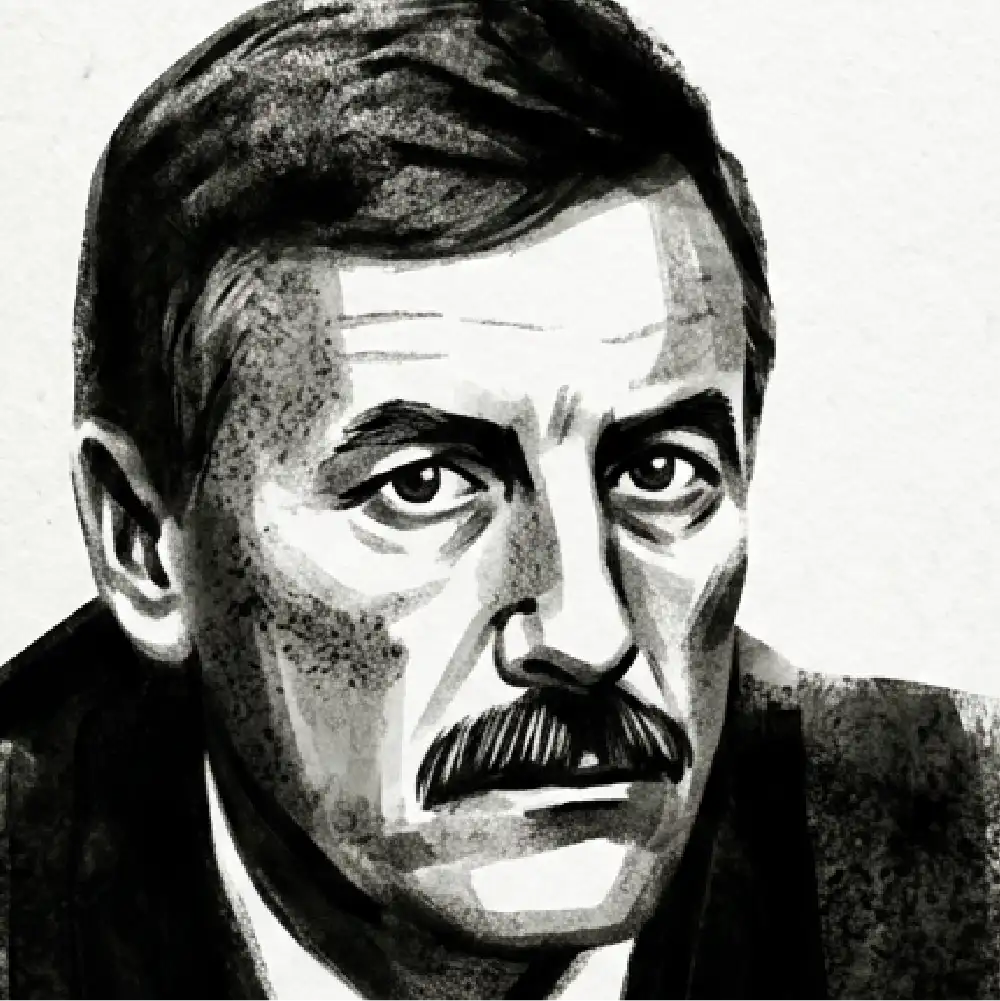
Alexey Sedov
Service for the Protection of the Constitutional Order and Combatting Terrorism (2nd service of the FSB)
General Alexey Sedov (71 years old) has led the 2nd service since 2006, which human rights activists call the „political Gestapo“. This structure is responsible for the physical and legal elimination of political opponents.
Employees of the 2nd service were behind the poisoning of Alexei Navalny. Sedov has the right of direct reports to Putin.
In 2026, Sedov remains the key architect of total political control.
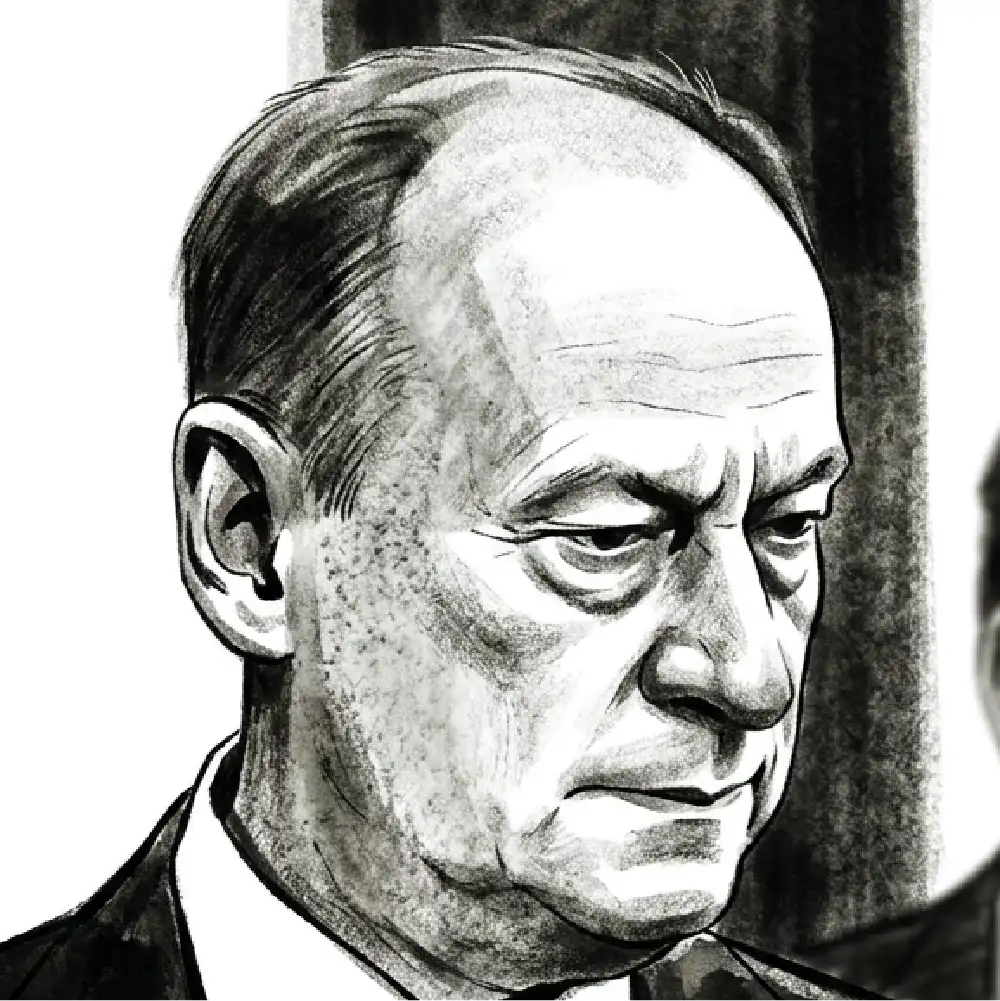
Nikolai Patrushev
Assistant to the President
Nikolai Patrushev (74 years old) was Secretary of the Security Council for 16 years. His positions were shaken after the Prigozhin mutiny.
In May 2024, he was moved to the more modest post of assistant to the president overseeing shipbuilding.
Nevertheless, he retains significant influence within the state security system through a network of his appointees, including Alexey Sedov.
The Orthodox
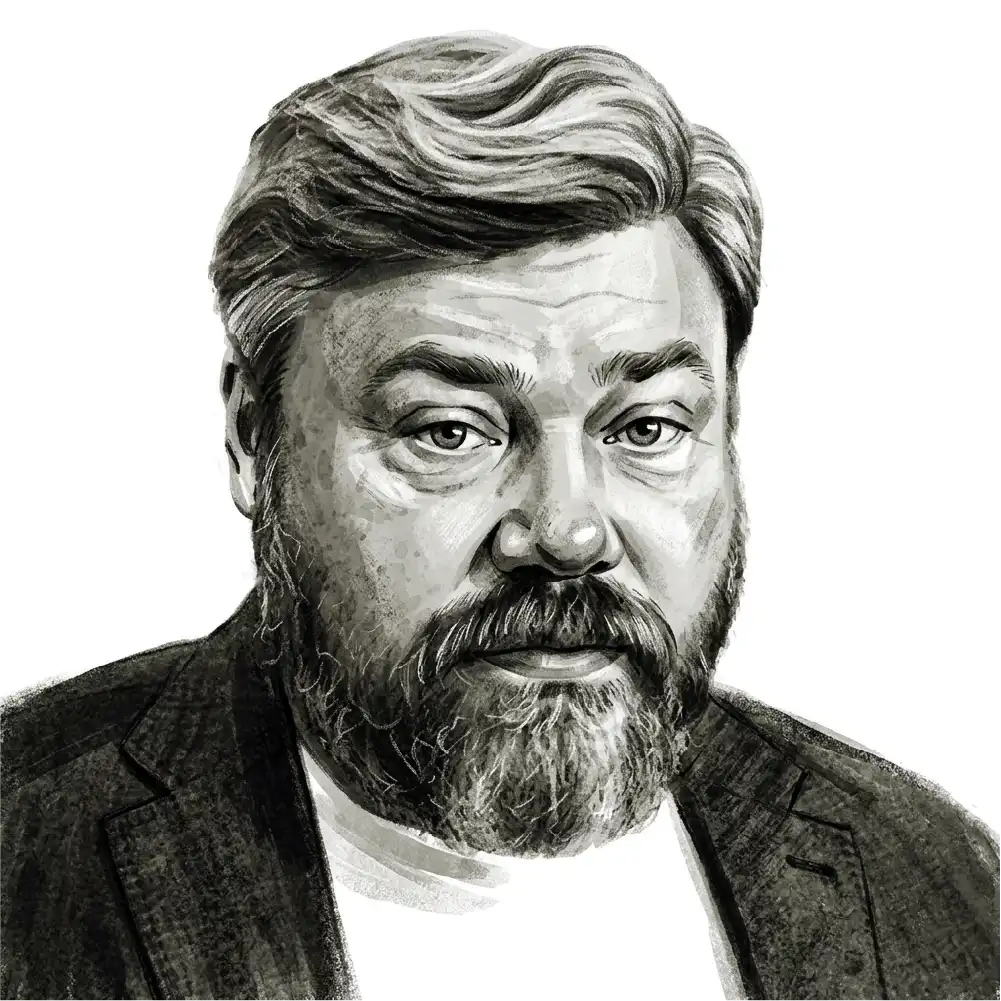
Konstantin Malofeev
Tsargrad Media, private armed units
Konstantin Malofeev (51 years old) is known as the „Orthodox oligarch“. He was at the origin of the 2014 events in Donbas and Crimea.
After 2022, his significance grew due to the financing of numerous private armed units and volunteer battalions.
Possessing his own mini-army, Malofeev could become a „jack-in-the-box“ in the 2026 struggle for succession.
Credits
Text und Recherche: Roman Anin (iStories) Deutsche Übersetzung: Silvia Stöber, Alexej Hock Design: Muhammad Faraj Redaktion: Justus von Daniels Kommunikation: Nadine Winter